ASK QUOTATION LIST
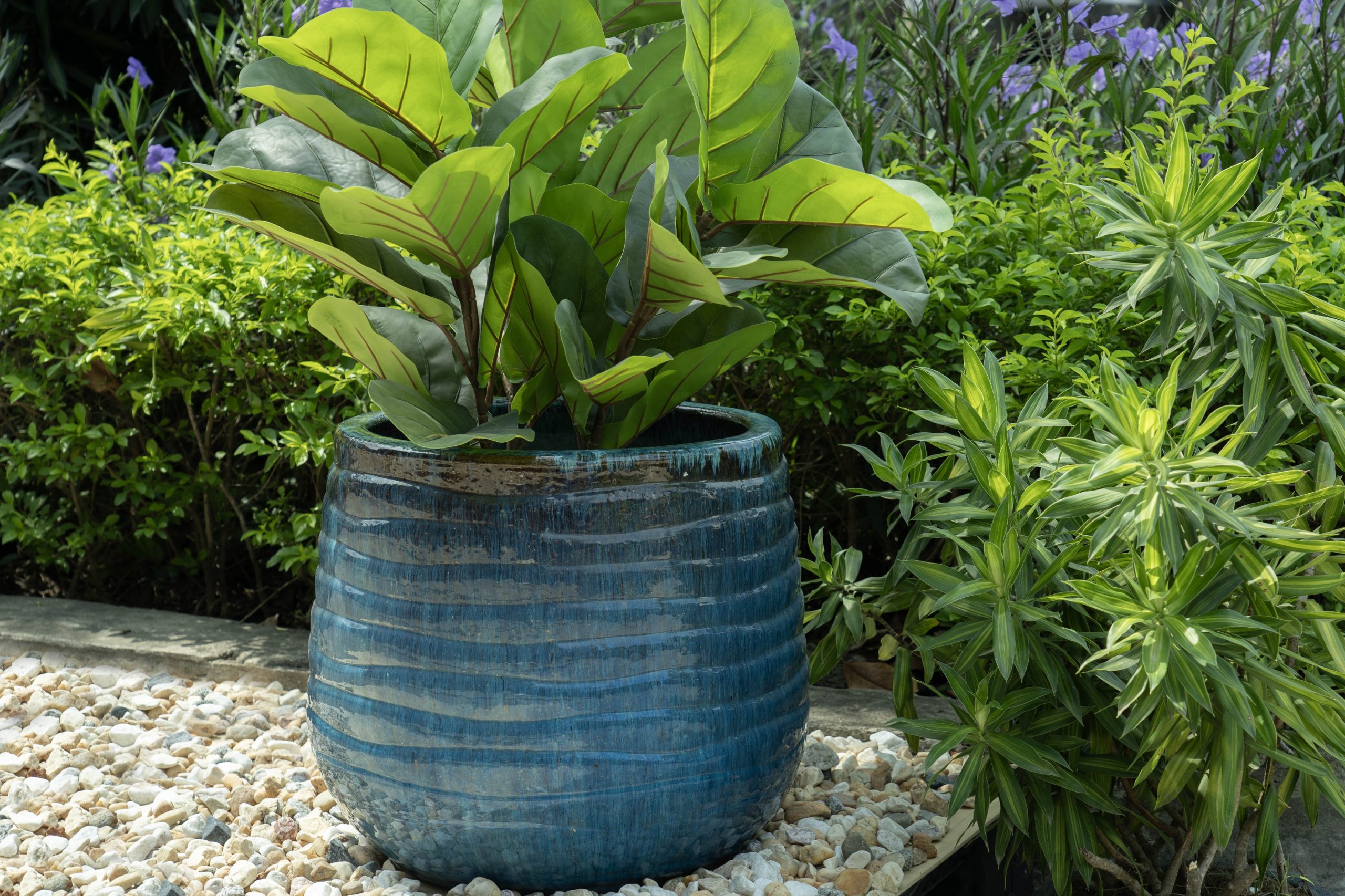
How Retailers Can Choose the Right Plant Pots for Their Customers.
How Retailers Can Choose the Right Plant Pots for Their Customers.
Retailers need to know how to choose plant pots that match customer needs. The right selection can help increase sales and meet market demand.
However, retailers need a clear plan before placing wholesale orders. This plant pot buying guide covers size, material, design, use, and budget.
Understand Your Customer Needs.
First, learn who your customers are. This step helps you choose plant pots that fit their needs.
For example, are they new gardeners or plant collectors? Also, do they buy pots for indoor plants or outdoor spaces?
In addition, consider the space available to your customers. A clear product strategy can also help improve inventory turnover.
How to Choose Plant Pots by Size
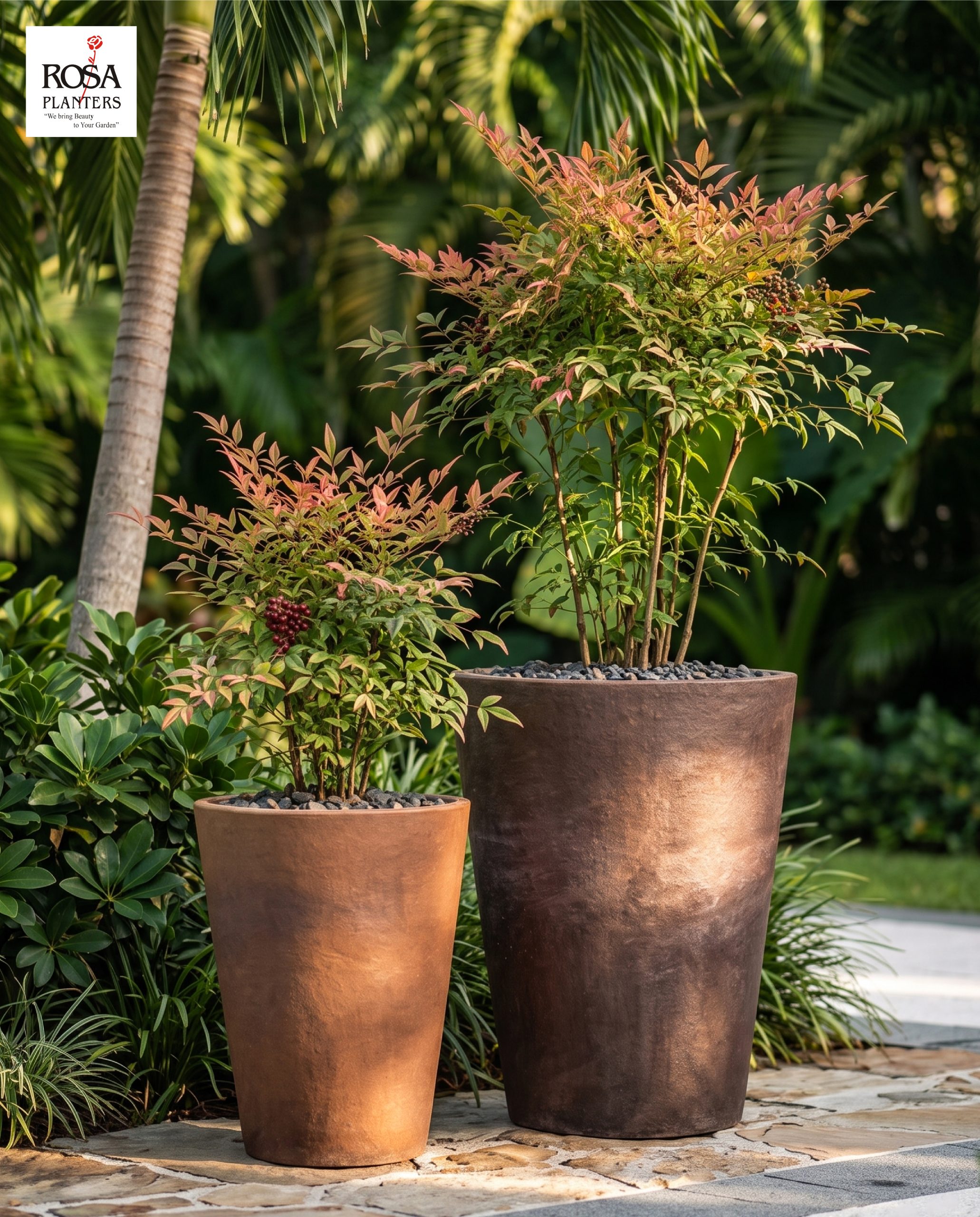
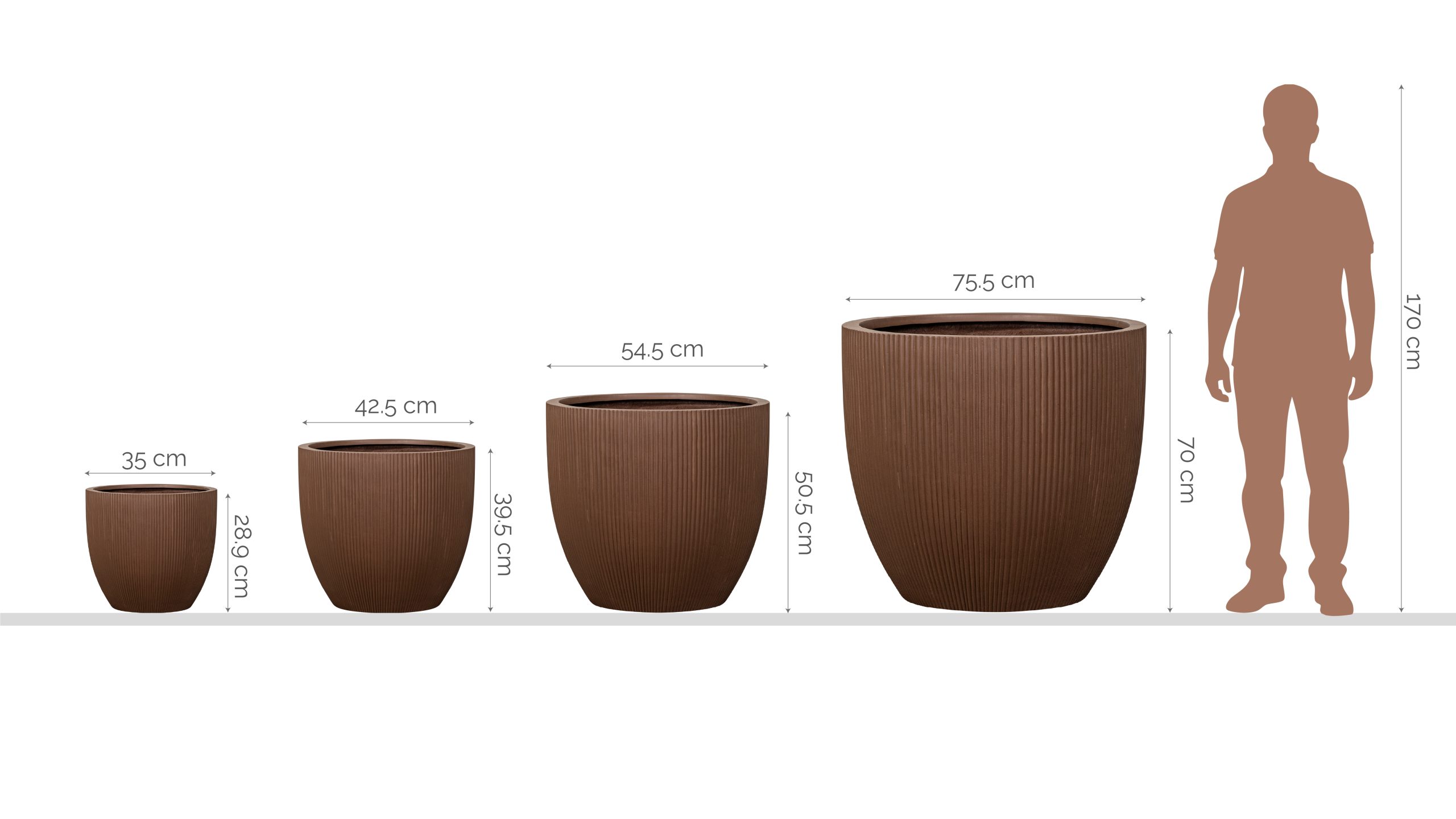
Plant pot size affects root health and plant growth. Therefore, retailers should stock different sizes for different plants.
The right pot gives roots enough room to grow. As a result, customers can choose a pot that better suits each plant.
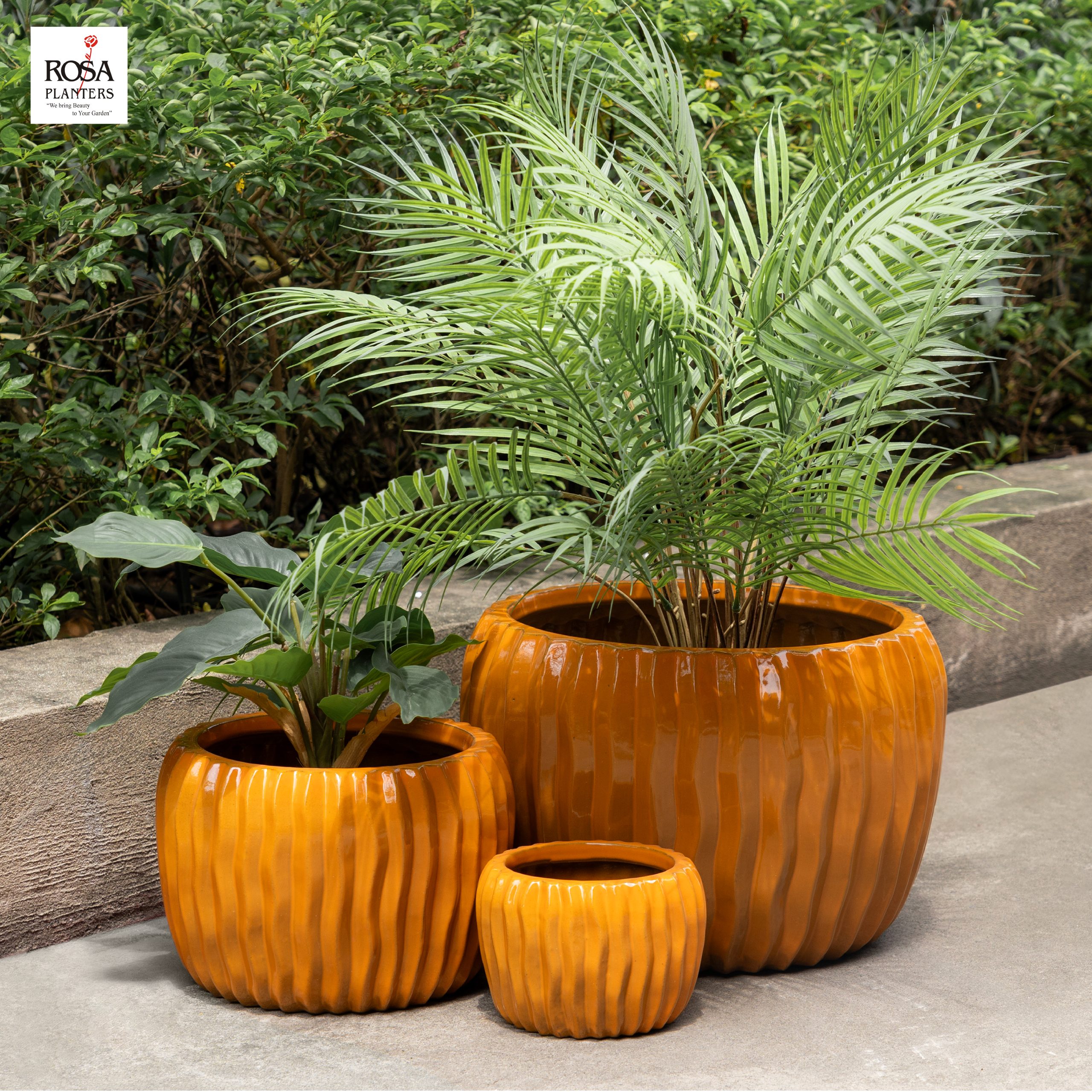
Small and Medium Planters.
Small and medium planters work well for succulents and small houseplants. Therefore, they suit customers with limited space. For example, urban customers can use these pots on shelves, windowsills, or balconies.
Large Outdoor Containers.
Large plants need more root space. Therefore, retailers should offer wider pots for outdoor trees and shrubs. These containers can also create a strong visual focus outdoors. However, they need more storage and shipping space.
Choose Plant Pots by Material
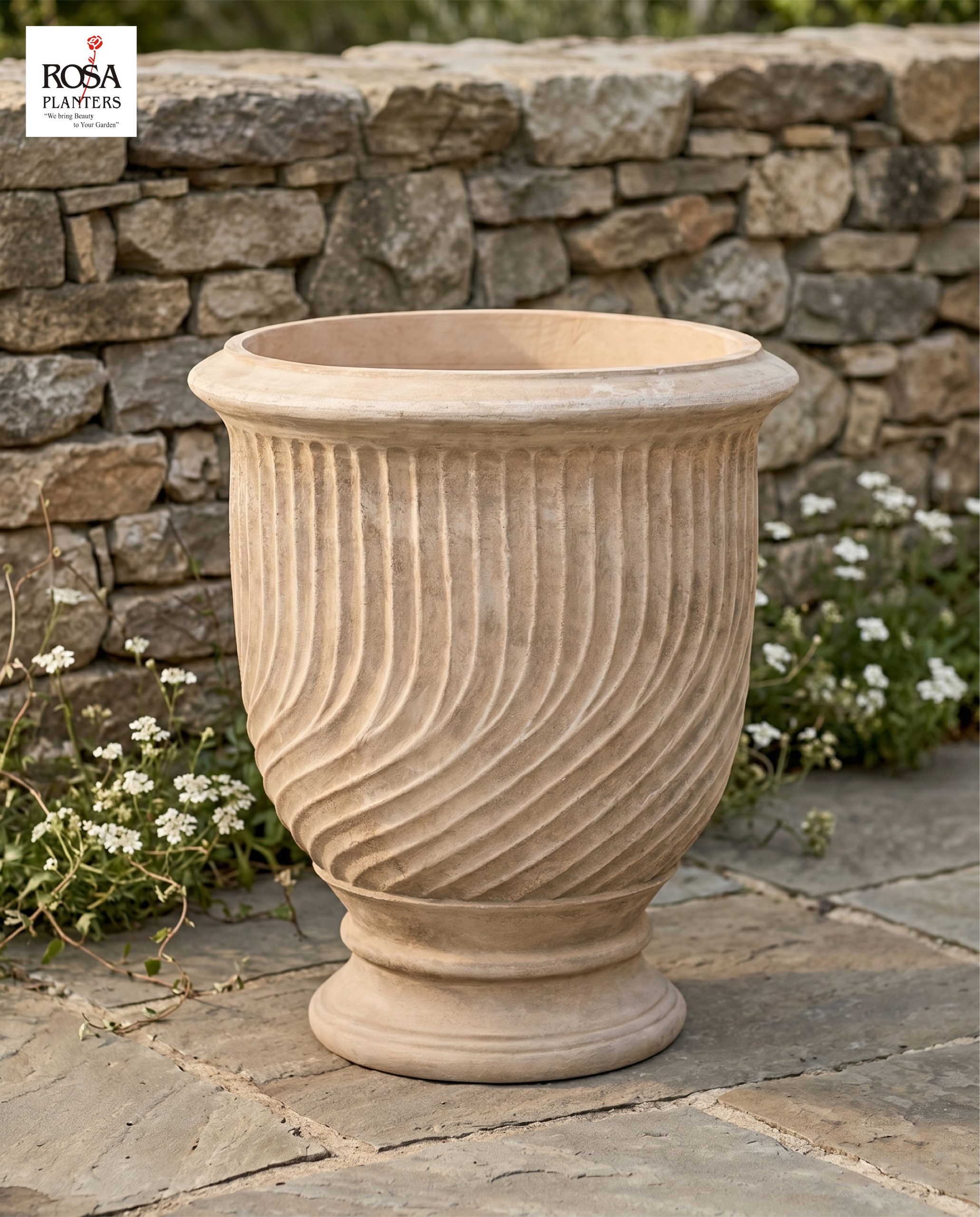
Material affects both the look and function of a plant pot. In addition, it affects soil moisture retention. Therefore, retailers should offer several material options. As a result, customers can choose pots that match their plants and style.
Compare Common Plant Pot Materials
- Terracotta: Breathable and classic. It suits plants that prefer dry soil.
- Ceramic: Stylish and moisture-retentive. It works well for bright indoor style.
- Polystone: Lightweight and durable. It suits buyers who want an affordable option.
- Fiber Concrete: Heavy and modern. It offers strong stability for large outdoor plants.
In addition, different materials can serve different price points. A varied range can therefore help retailers reach more customers.
How to Choose Plant Pots for Efficient Shipping
Shipping costs can affect retail profit margins. Therefore, retailers should review logistics before placing wholesale orders. Packaging and stacking also affect container space. As a result, the right packaging can help reduce shipping costs.
| Pot Size. | Standard Packaging Method. | Nesting / Stacking Ability. | Volumetric Efficiency. | Freight Cost Per Unit. | Logistics Impact. |
| Small Pots (<35cm). | Bundled cartons with strapping, stretch wrap, on full pallets. | Multi layers stacking in pallet. | Maximizes container space. | Very Low. | Lowest shipping cost per piece. |
| Medium Pots (35–55cm). | Strapped & wrapped cartons on full pallets. | Moderate & nested 3-5 sizes in 01 set. | Balanced volume-to-weight. | Moderate. | Standard freight charges. |
| Large Pots (>55cm). | Strapped & wrapped cartons on double pallets. | Limited stacking layers in pallet but nested 5-7 sizes in 01 set. | High volume consumption. | High. | High. Careful freight planning is required. |
Therefore, optimized packaging can improve container loading. It can also reduce transit expenses and protect profit margins.
Choose Plant Pots with the Right Styles and Designs
Modern gardeners often use planters as home decor. Therefore, retailers should consider both function and style. Popular colors and modern designs can attract design-focused buyers.
In addition, neutral colors remain popular across many market segments. Seasonal accent colors can also add variety. As a result, they may support impulse sales.
Balance Indoor and Outdoor Options.
Indoor and outdoor planters have different needs. Therefore, retailers should offer both types in a clear product range. For indoor use, pots need functional drainage trays. These trays help protect floors and other home surfaces.
Meanwhile, outdoor planters need stronger weather resistance. They must also withstand outdoor conditions without cracking. As a result, retailers can separate indoor and outdoor inventory. This approach makes product selection easier for shoppers.
Set Plant Pot Prices for Every Budget
Price is another key factor when retailers source new stock. Therefore, stores should offer options at different price levels. For example, budget-friendly plastic pots can serve price-conscious buyers.
Meanwhile, premium handcrafted ceramic planters can target higher-end customers. In this way, retailers can serve casual buyers and high-end landscapers. A balanced range can also support different customer budgets.
Choose Plant Pots That Fit Your Market
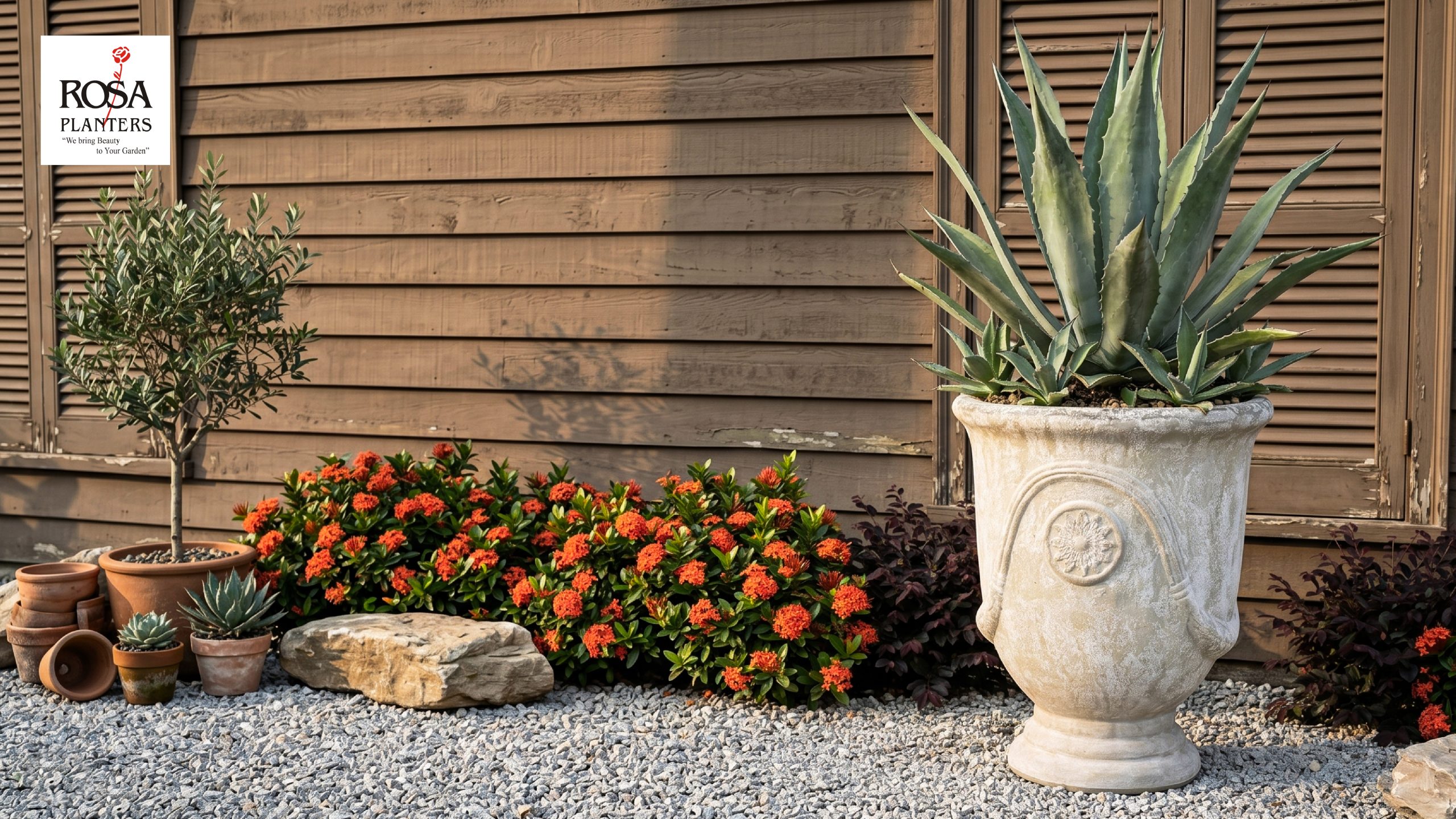
The right product range starts with customer needs. Therefore, retailers should consider size, material, style, use, and price. Shipping also deserves attention when placing wholesale orders.
In addition, efficient packaging can help control freight costs and support better margins. Finally, a balanced inventory can serve different plant buyers. As a result, retailers can build a practical and attractive product range.
Request our product catalogue today to discover high-margin wholesale planters for your retail shop!
