ASK QUOTATION LIST
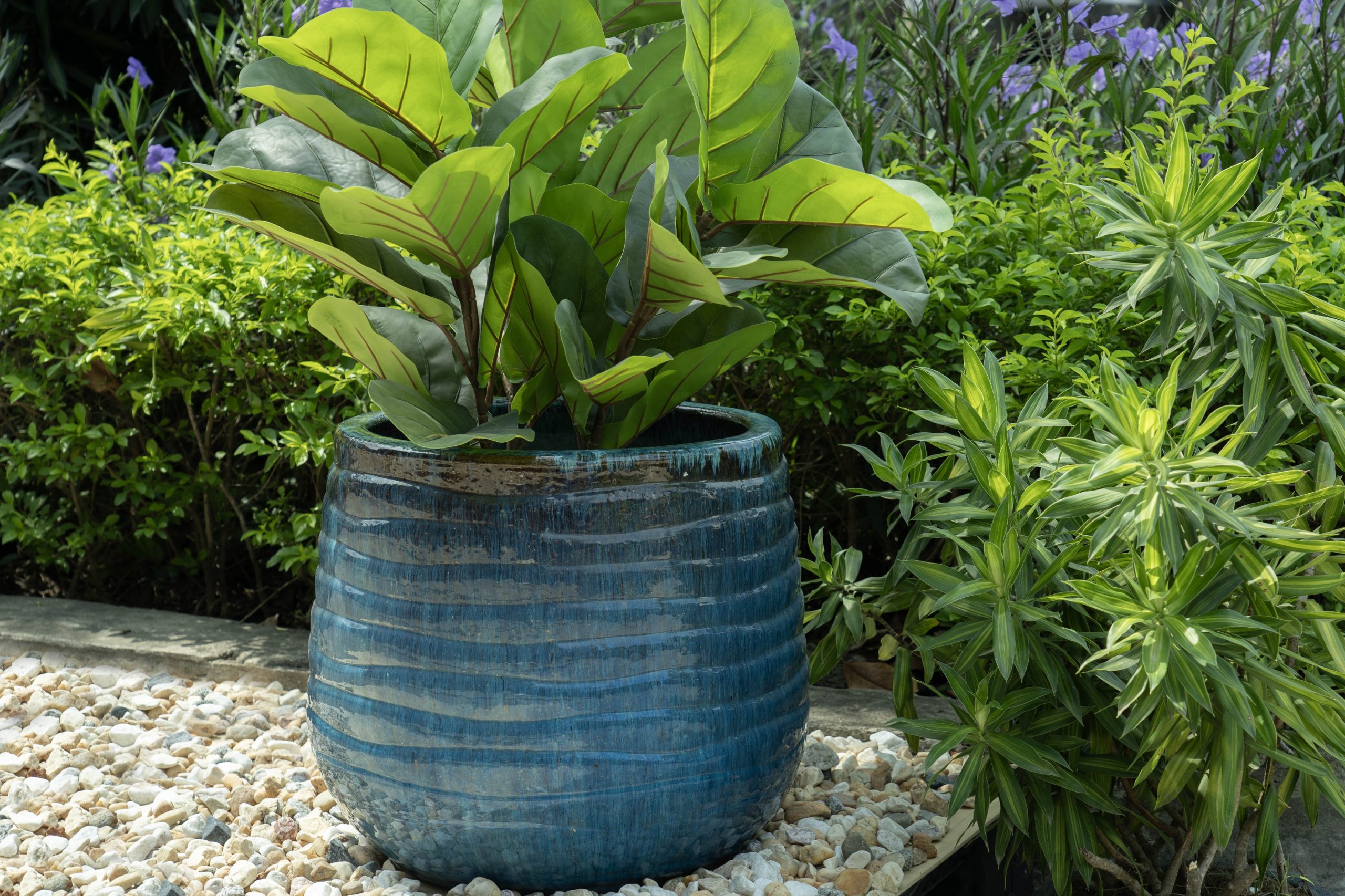
What Is Polystone? Retailer & Importer Planter Guide
What Is Polystone? Retailer & Importer Planter Guide
What is polystone? It is an engineered composite material that makers use to produce premium planters. Retailers and importers choose this polystone material for its natural stone look. In addition, the material is light and helps cut shipping costs. This guide explains the composition, production process, durability, and care of polystone.
What Is Polystone Material and What Is It Made Of?
Polystone Composition
Polystone is an engineered composite material. Manufacturers combine natural stone powder with high-grade polymer resin, known as polystone resin. In addition, they reinforce each planter with fiberglass mesh. As a result, the planter feels dense like stone and stays strong thanks to the polymer.
Buyers sometimes compare polystone with fiberstone and other composite materials. However, the blend of stone powder and resin gives polystone its own character. Therefore, it helps to understand how polystone differs from the alternatives.
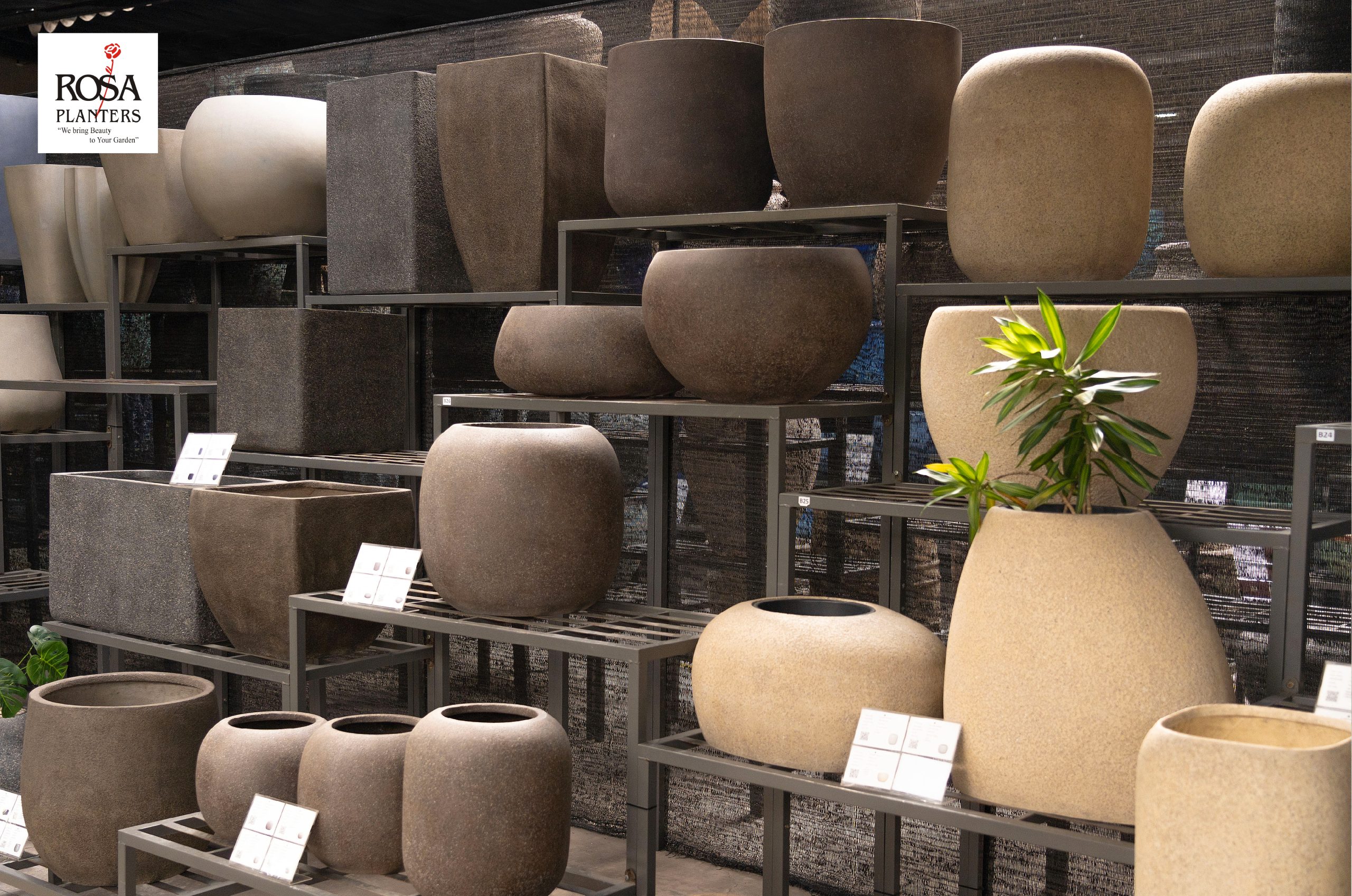
How Polystone Differs From Plastic and Fiber Concrete
Unlike plastic, polystone offers the dense feel of natural stone. Its surface has a matte texture and a premium look. Consequently, customers see a high-end product, not a lightweight imitation.
Compared with fiber concrete, polystone resists cracks and frost better. In addition, its tare weight is lighter. This lower weight reduces container shipping costs significantly.
How Do Workers Make Polystone Planters by Hand?
Preparing the Mix and the First Layers
Workers make every Polystone planter by hand. Each planter has several layers of material. The process starts as follows:
-
-
-
- ♦ First, workers mix poly resin, granite stone powder, sandstone, and color pigment into a poly mixture.
- ♦ Next, they roll a thin layer of poly resin into the mold. Then they spread stone evenly on top. This layer dries in 5 minutes.
- ♦ After that, they roll on a layer of the poly mixture and add fiberglass mesh.
-
-
Building Thickness and Finishing the Planter
Workers then alternate a layer of poly mixture with a layer of fiberglass mesh. They repeat this step until the planter reaches the desired thickness. The planter dries completely in 2 to 6 hours, depending on its size.
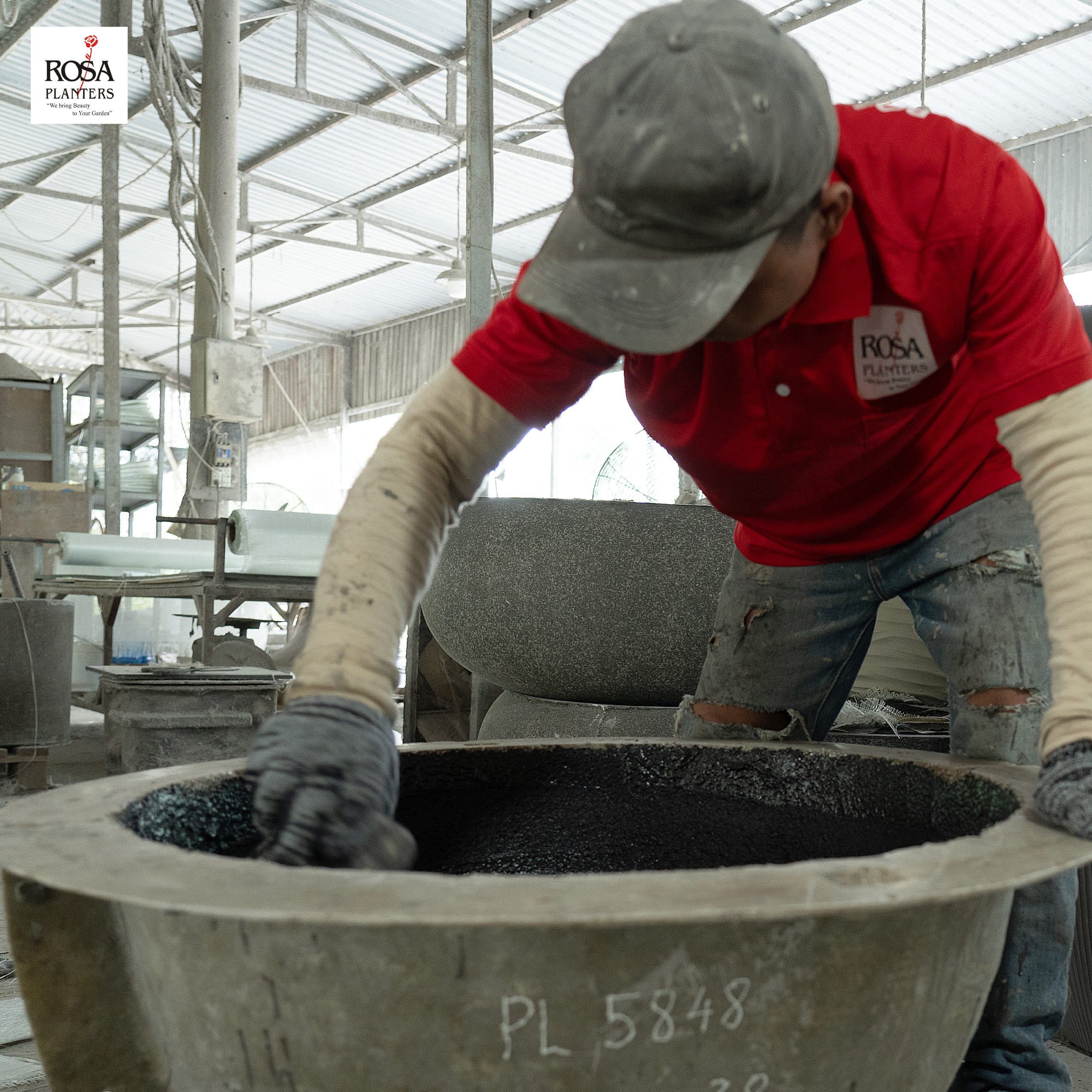
After drying, workers remove the planter from the mold. They grind off excess poly with a hand grinder. Finally, they spray a sealer over the entire product.
Manufacturers mix the color directly into the material, so they do not paint the surface. Therefore, the color stays consistent throughout the planter.
How Durable Is Polystone?
Temperature Range Polystone Can Handle
Polystone performs well between -18°C and 60°C. Within this range, the planter does not crack. As a result, the material suits both cold regions and hot, sunny climates.
However, the planter still needs good drainage. Saturated water inside can cause cracks in low temperatures. Therefore, always keep the drainage holes working properly.
Frost and UV Resistance
Several materials suit outdoor commercial spaces. High-grade polystone, commercial fiber concrete, and properly glazed high-fired ceramics all perform well. However, polystone stands out in freeze-thaw climates.
Its non-porous matrix prevents moisture absorption. Therefore, polystone waterproof performance reduces the thermal cracking common in unsealed terracotta and standard cement. In addition, the pigment runs through the material, so the color lasts outdoors.
Outdoor Applications
Commercial spaces need planters that survive all four seasons. Hotels, shopping centers, and public gardens are typical examples. Polystone fits these settings because it combines durability with a refined look.
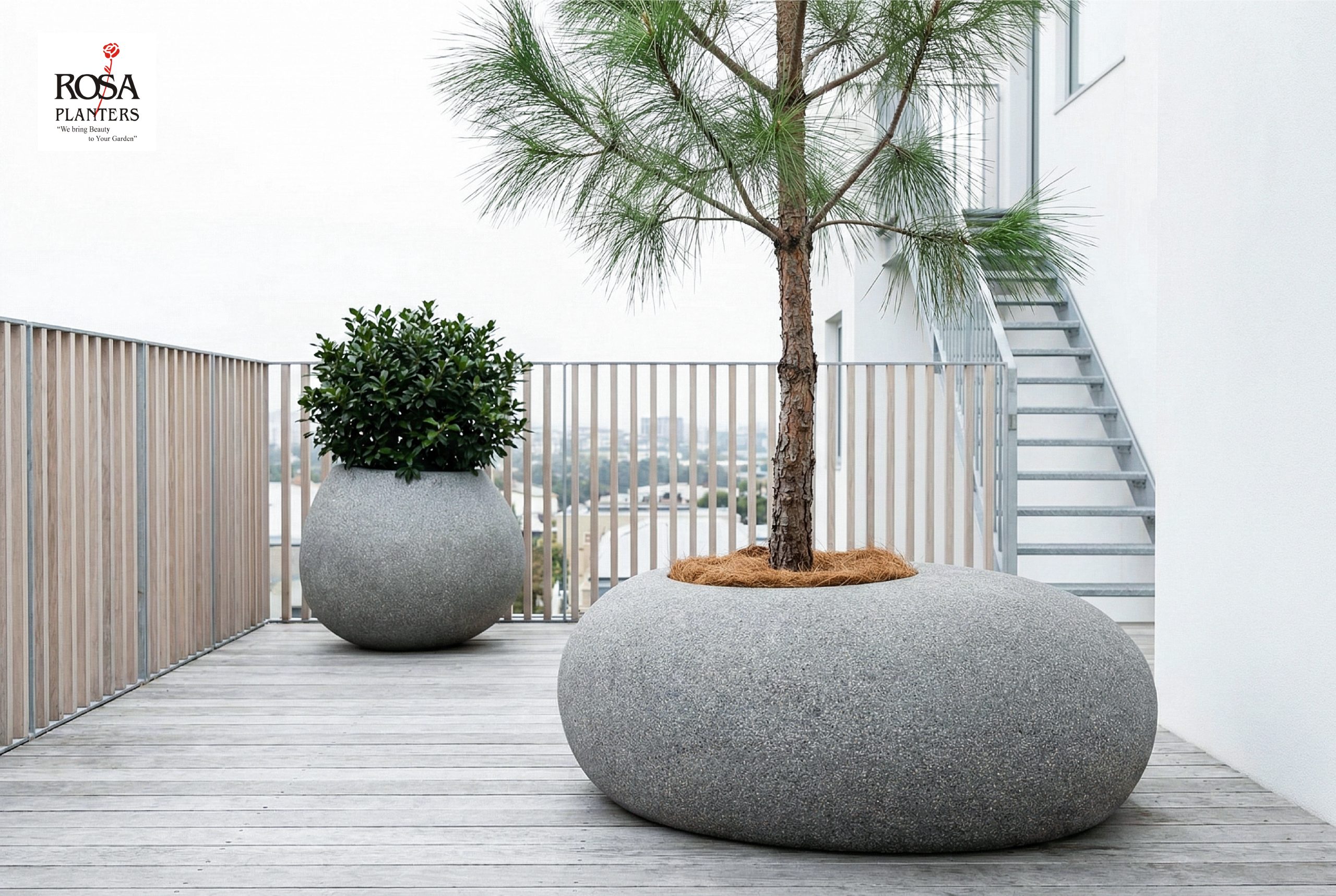
Outdoor ranges also need specific features. Retailers should choose planters with lasting color and reliable drainage. Furthermore, modular nesting sets help create coordinated garden collections.
Weight and Finishes
Lightweight Design
Polystone is light, easy to move, and easy to install. Moreover, it weighs less than traditional ceramic and fiber concrete. Consequently, the freight cost per planter drops.
Finishes
Polystone delivers the matte texture of natural stone. It have a final sealer create this surface. In addition, indoor ranges can add refined decorative glazes. These finishes boost shelf appeal in retail stores.
How to Use and Care for Polystone Planters
Unpacking and Use
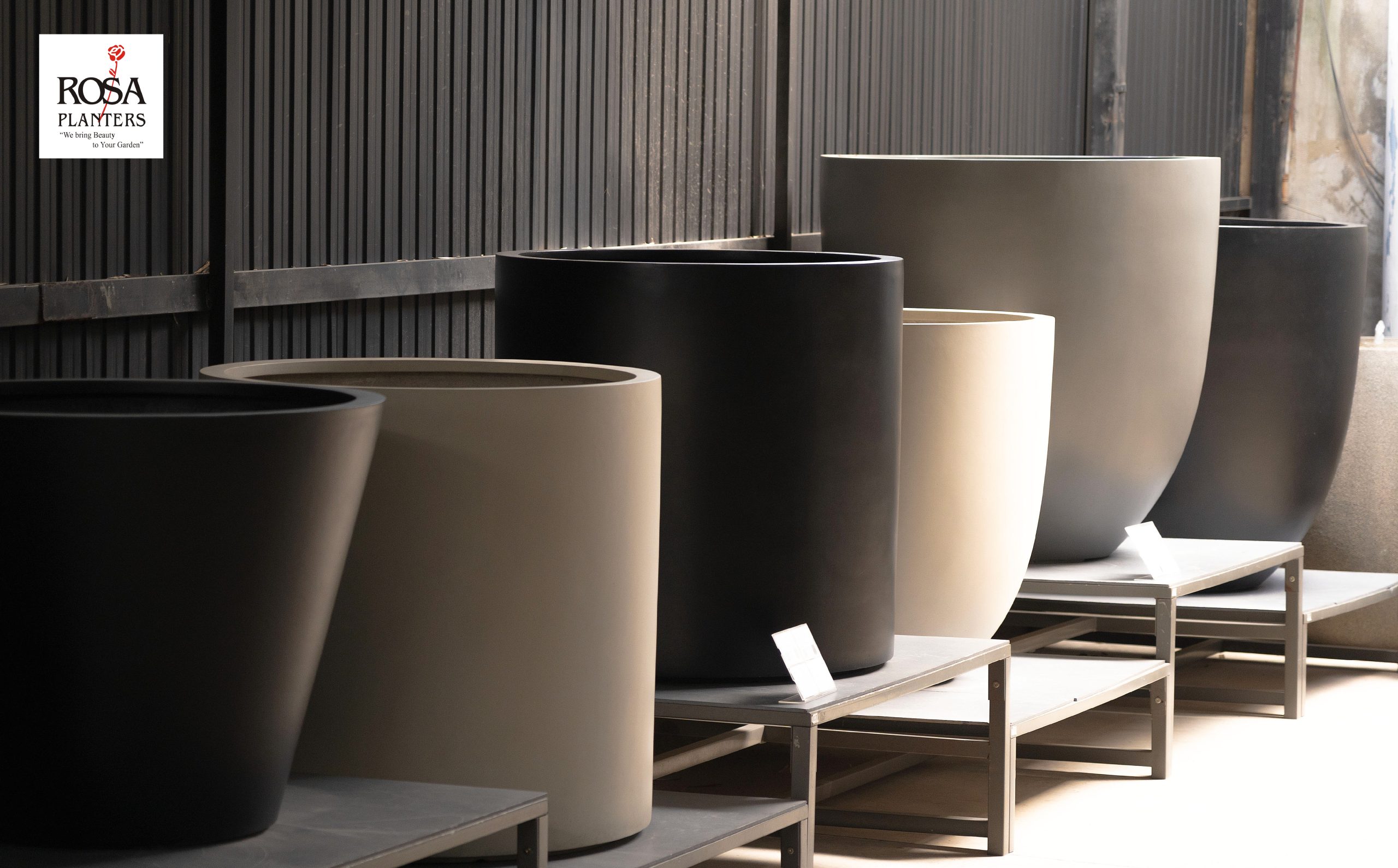
Handle the planter with care when unpacking. This step prevents scratches on the surface. After that, you can use the planter indoors or outdoors. The planter is waterproof and keeps its structure outdoors.
However, rain and sun can slightly change the planter’s appearance. In addition, long exposure to strong sun may cause slight color fading. Therefore, consider the placement carefully.
Drainage and Cold-Weather Protection
Make sure the planter has one or more drainage holes at the bottom. This matters for outdoor use or when you plant directly in the pot. Drainage holes stop water from collecting inside. As a result, the planter can survive winter.
In contrast, trapped water can crack the outer wall of the lower section. Furthermore, the planter may break in low temperatures. Therefore, check the drainage holes regularly.
A Note on Handmade Products
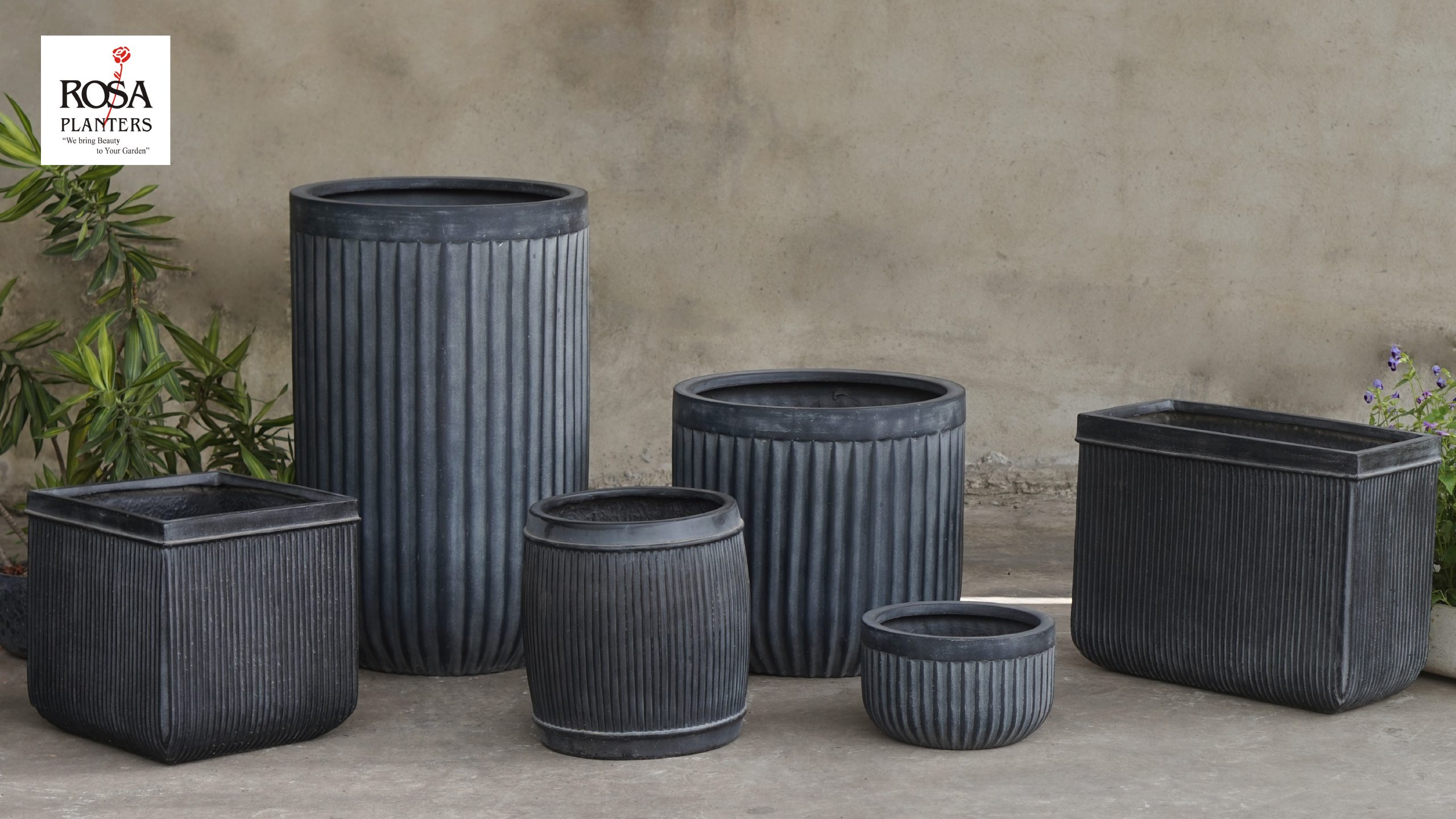
Because workers make each planter by hand, small differences occur. Specifically, shape, size, and color tone may vary slightly. These variations come from the handmade process. They are not product defects.
Shipping and Wholesale Considerations
How Weight and Dimensions Affect Container Loading
Planter weight decides whether a container “weights out” or “cubes out.” Heavy materials like traditional ceramic quickly reach road and freight weight limits.
Lightweight composites like polystone solve this problem. They maximize the volume of a 40ft High Cube container. Consequently, the landed freight cost per unit drops significantly.
Planning Indoor and Outdoor Ranges
Retailers should evaluate drainage flexibility, weather durability, and nesting capability. Indoor ranges prioritize watertight cachepots and refined decorative glazes. They also need strong retail shelf appeal.
Outdoor ranges follow different priorities. They need lasting color and effective drainage. In addition, nesting sets reduce warehouse storage space. Therefore, a balanced range serves both customer groups.
Frequently Asked Questions About Polystone
What is polystone made of?
Polystone combines poly resin with granite stone powder, sandstone, and color pigment. In addition, manufacturers reinforce it with fiberglass mesh. The stone powder adds density, while the resin binds the layers together.
Is polystone durable?
Yes. Polystone performs well between -18°C and 60°C without cracking. However, you should handle it with care to avoid scratches. In addition, make sure the planter drains well outdoors.
Is polystone heavy?
Polystone is denser than ordinary plastic because of its stone powder. Therefore, the planter feels like real stone. However, polystone is still lightweight compared with traditional ceramic and fiber concrete. As a result, it helps save shipping costs.
Is polystone the same as resin?
No. Polystone is resin combined with stone powder and fiberglass mesh. Plain resin has no mineral content. Therefore, it lacks the density and matte stone texture of polystone.
Conclusion
Polystone combines the look of natural stone with the efficiency of a lightweight composite. It handles temperatures from -18°C to 60°C, saves shipping costs, and offers flexible finishes. Therefore, polystone suits retailers and importers who want to build a profitable planter range.
Ready to explore the range? Download the Polystone Catalogue to see sizes, finishes, and options.
