ASK QUOTATION LIST
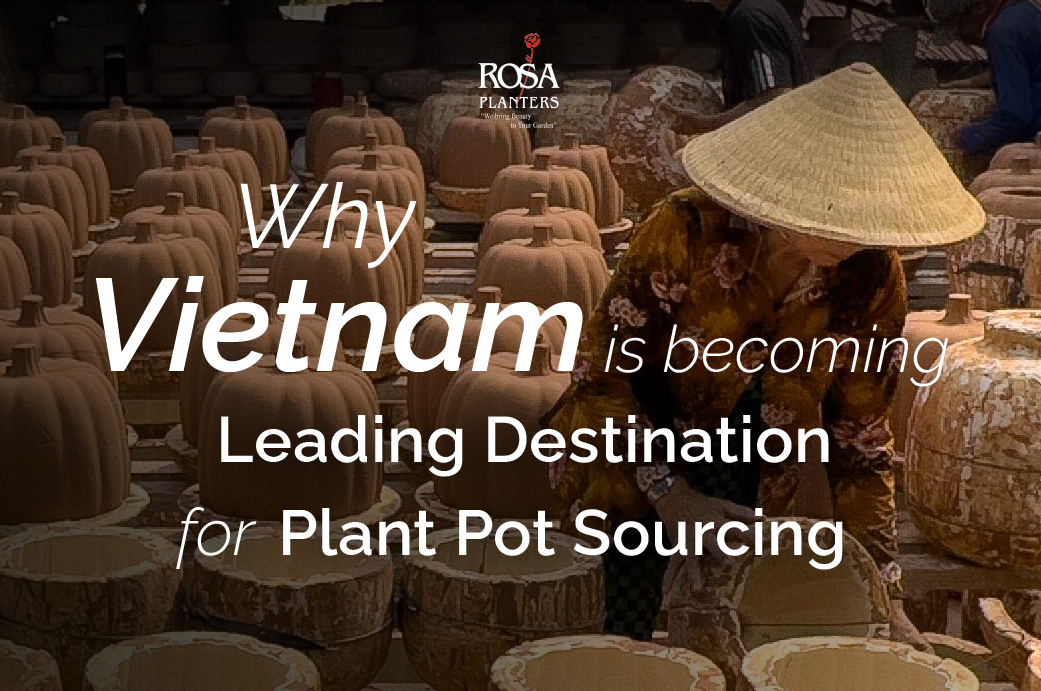
Why Vietnam Is Becoming a Leading Destination for Plant Pot Sourcing
Why Vietnam Is Becoming a Leading Destination for Plant Pot Sourcing
Sourcing plant pots from the right country can affect cost, quality, and supply stability. For importers, Vietnam has become an increasingly attractive manufacturing destination.
The country offers a strong manufacturing base, diverse materials, and flexible production capabilities. In addition, its export infrastructure supports international buyers across different markets.
For businesses exploring plant pot sourcing, Vietnam provides several options. Buyers can work with specialized factories, experienced manufacturers, or suppliers offering customized production.
So, why are more importers considering Vietnam for their plant pot supply?
Vietnam’s Growing Plant Pot Manufacturing Industry
Vietnam has developed a strong manufacturing sector serving both domestic and international markets. Its factories produce a wide range of products for home, garden, landscape, and commercial applications.
This development also supports sourcing plant pots from Vietnam for overseas buyers. Manufacturers can produce different pot sizes, shapes, finishes, and designs based on buyer requirements.
Furthermore, many factories work with multiple materials. These include ceramic, terracotta, cement, plastic, fiberglass, and other composite materials.
From Traditional Craft to Modern Manufacturing
Vietnam has a long tradition of ceramic and handicraft production. Many manufacturing regions have built expertise in shaping, glazing, finishing, and decorating products.
At the same time, modern factories have expanded their production capabilities. They now combine traditional skills with standardized manufacturing processes.
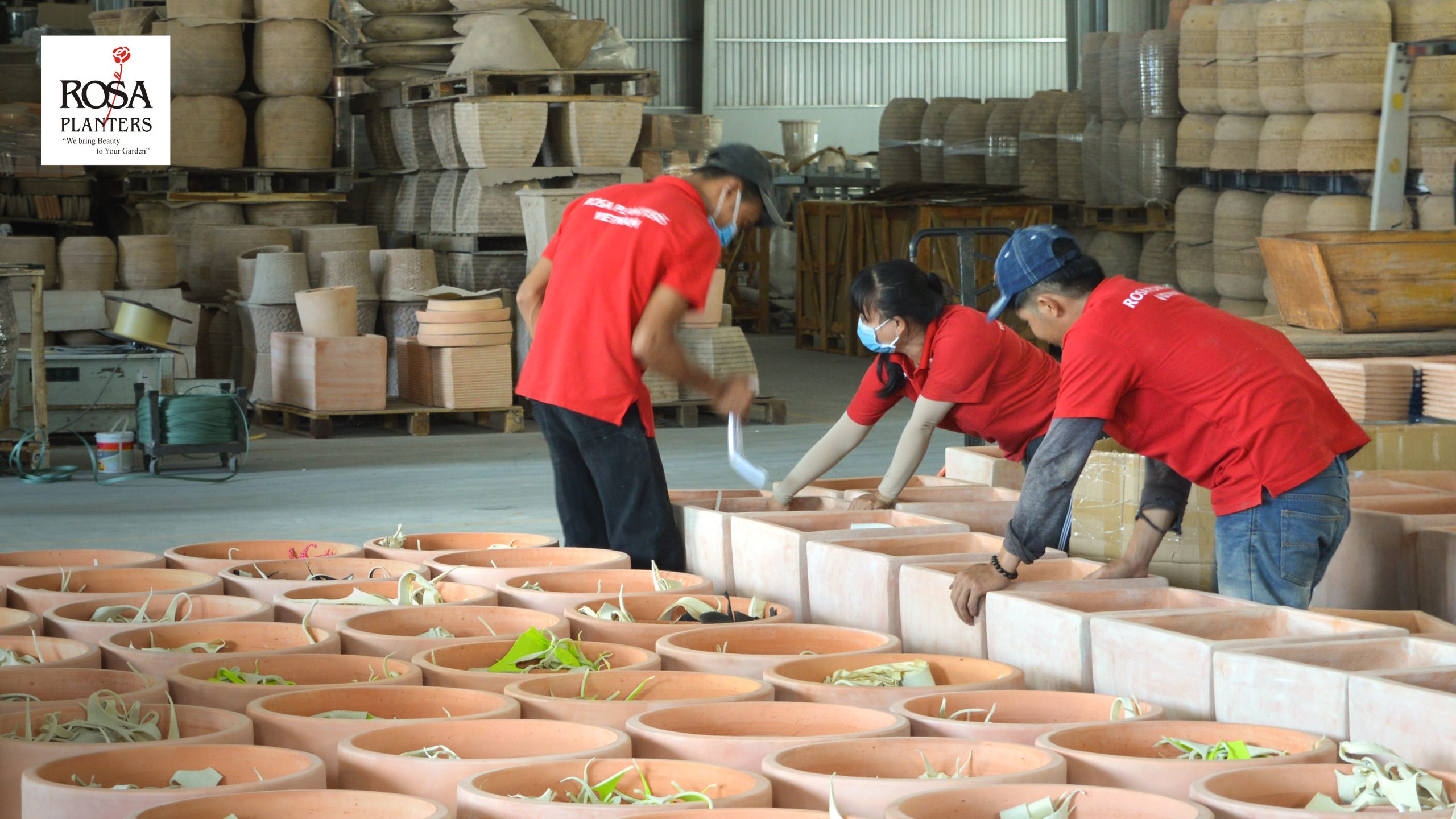
This combination creates opportunities for importers seeking both functional and decorative products. It also allows buyers to develop collections with different styles and price points.
For businesses comparing Vietnam plant pot suppliers, manufacturing capability remains an important consideration. Buyers can select suppliers based on materials, production capacity, customization, and quality requirements.
Key Advantages of Plant Pot Sourcing from Vietnam
Vietnam offers several advantages for international importers. These advantages include skilled craftsmanship, competitive costs, scalable production, and established export capabilities.
For businesses exploring plant pot sourcing Vietnam, these factors can support both small product collections and large wholesale orders.
Deep Craftsmanship Legacy
Vietnam has a long tradition of pottery and handicraft production. Generations of skilled artisans have developed expertise in shaping, firing, glazing, and finishing ceramic products.
Regional manufacturing hubs such as Binh Dong and Dong Nai combine these traditional skills with modern production methods. As a result, manufacturers can maintain distinctive craftsmanship while meeting commercial production requirements.
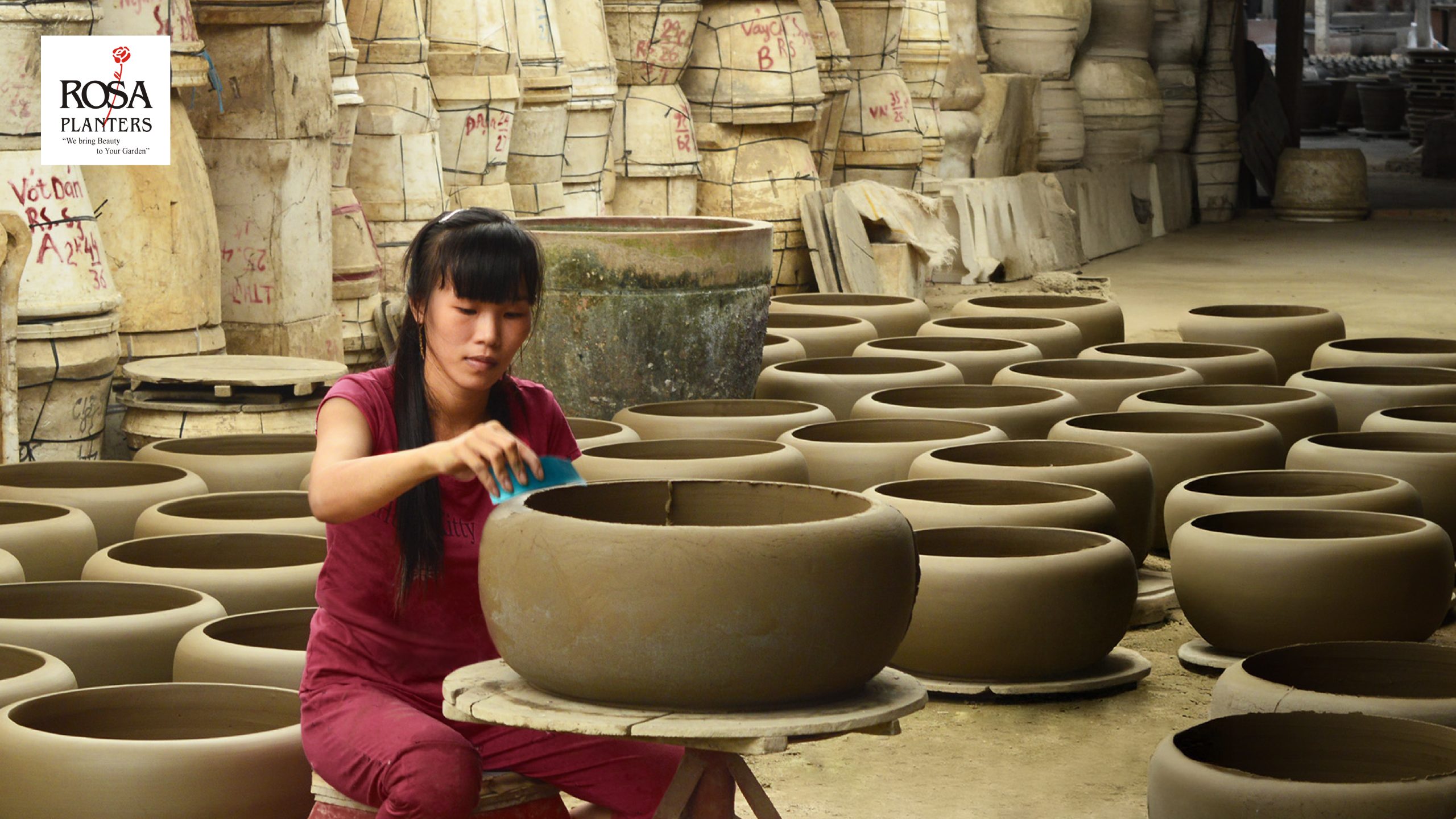
This combination benefits importers seeking both decorative quality and consistent production. It also gives Vietnam plant pot suppliers flexibility when developing customized designs and finishes.
Cost Competitiveness
Cost efficiency is another important reason importers consider Vietnam. Favorable labor costs and readily available domestic raw materials help manufacturers control production expenses.
Therefore, factories can offer competitive wholesale pricing across different product categories. Buyers can also select materials and designs based on their target price points.
For businesses sourcing wholesale plant pots Vietnam, this cost structure can support competitive retail positioning. However, buyers should compare total sourcing costs rather than focusing only on factory prices.
Shipping, packaging, duties, quality control, and other logistics expenses can also affect the final landed cost.
Scalability and Reliable Export
Vietnam’s industrial clusters support scalable manufacturing for international buyers. Factories can handle bulk OEM production, private labeling, and customized orders according to specific requirements.
In addition, established export networks connect Vietnamese manufacturers with international markets. These networks support shipments to North America, Europe, and other destinations worldwide.
This scalability makes Vietnam suitable for importers with growing order volumes. Businesses can also work with manufacturers to develop long-term supply programs.
For Vietnam planter manufacturers, the ability to combine production capacity with export experience creates a practical advantage for global buyers.
Diverse Materials and Product Styles
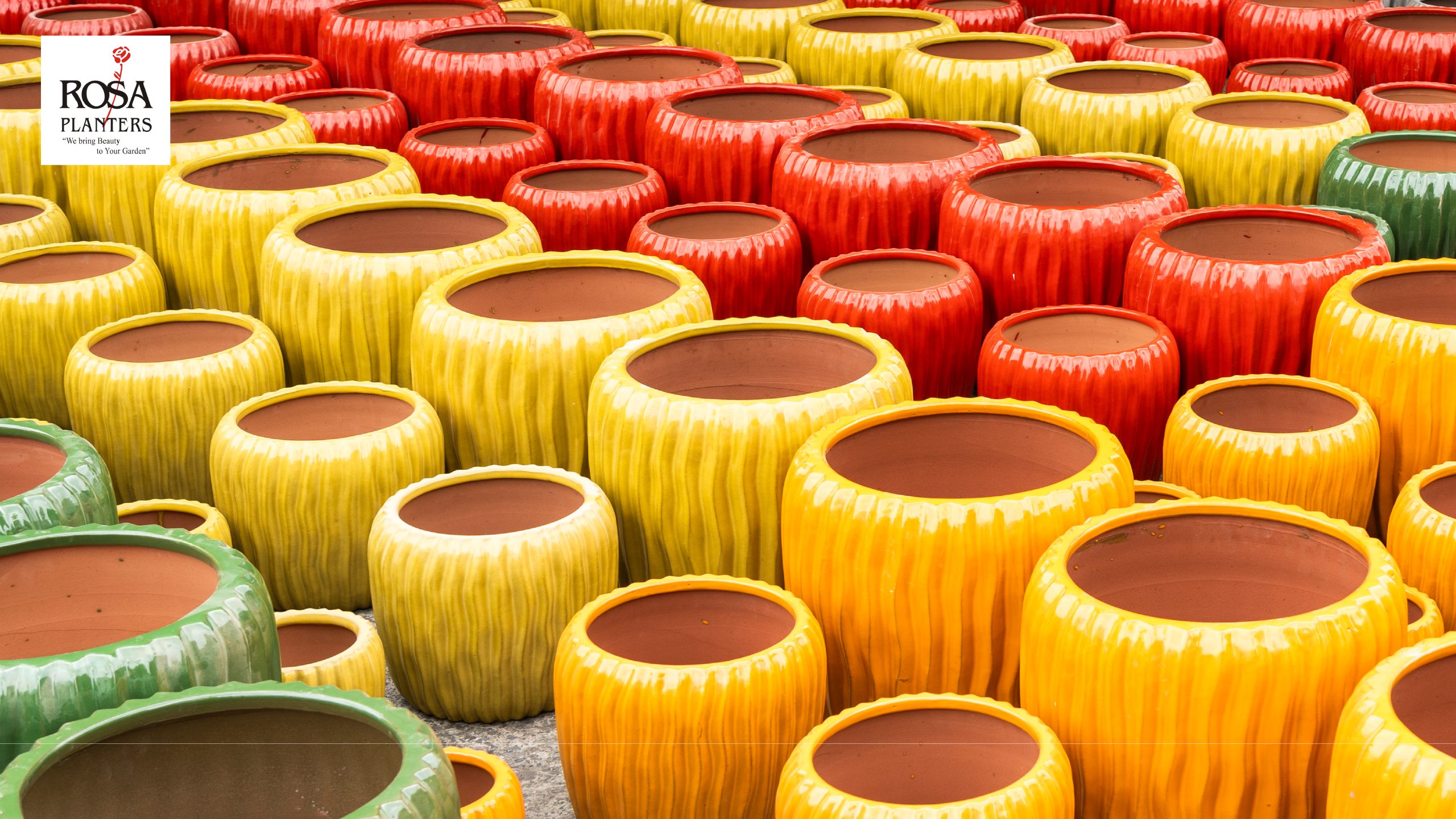
Vietnamese manufacturers work with a broad range of plant pot materials. These include ceramic, terracotta, cement, plastic, fiberglass, and other composite materials.
Each material offers different benefits in terms of weight, appearance, durability, and application. Therefore, importers can build product collections for different customer segments.

Ceramic and terracotta pots can provide a traditional or premium appearance. Meanwhile, cement, plastic, and composite pots can support different commercial and outdoor applications.
This material diversity gives importers more flexibility when developing their product ranges. It also allows buyers to source multiple styles from the same manufacturing market.
Customization for Different Markets
Importers often need products that match specific customer preferences. Vietnamese manufacturers can support customization across dimensions, colors, surface finishes, shapes, and designs.
Some buyers also require private-label or OEM production. In these cases, manufacturers can work from specifications, drawings, samples, or design references.
Therefore, Vietnam planter manufacturers can support both standard products and customized collections.
Quality Control for Plant Pot Imports
Quality consistency is essential when importing plant pots in commercial quantities. Buyers need products that meet agreed specifications throughout production.
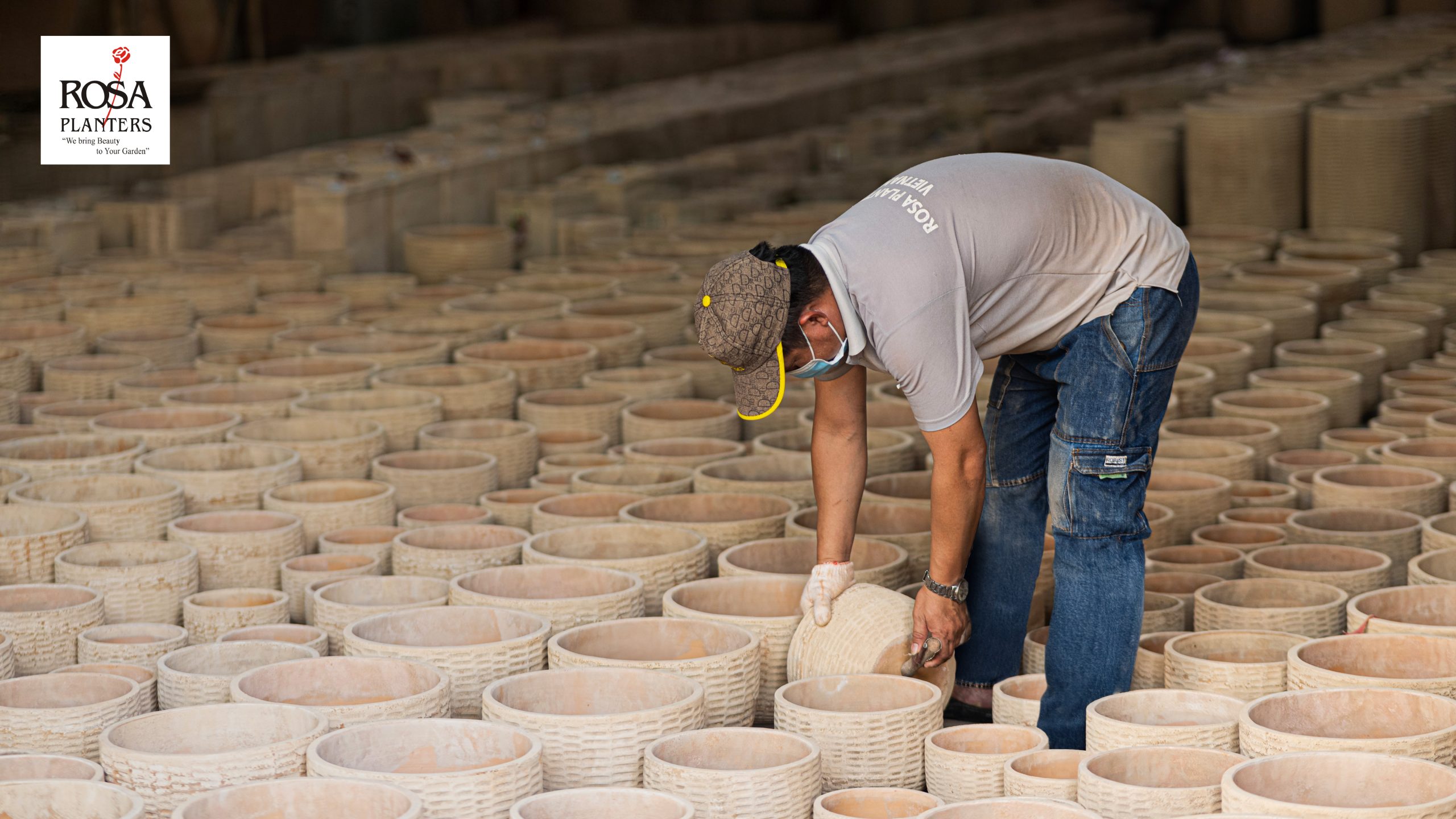
A clear quality-control process can help reduce defects and maintain product consistency. Importers should define important requirements before production begins.
These requirements may include dimensions, material specifications, color, surface finish, drainage holes, packaging, and product weight.
Managing Quality Before Shipment
Buyers should communicate technical specifications clearly with the supplier. Approved samples can also provide a practical reference for mass production.
In addition, importers can arrange inspections during production or before shipment. These checks can help identify issues before goods leave the factory.
When evaluating plant pot factories Vietnam, buyers should therefore consider more than product appearance. Production processes, quality controls, communication, and consistency also matter.
MOQ and Production Flexibility
Minimum order quantity, or MOQ, is another important factor for importers. Different factories may have different requirements based on materials, production methods, and product complexity.
Large-volume production can support better manufacturing efficiency. However, smaller buyers may need suppliers with more flexible order requirements.
Importers should discuss MOQ before confirming a product range. They should also clarify whether different colors, sizes, or designs require separate production quantities.
For wholesale plant pots Vietnam, understanding MOQ early can help buyers plan inventory and purchasing budgets more effectively.
Choosing the Right Supplier for Your Order
The right supplier depends on the buyer’s business model. A large retailer may prioritize production capacity and consistent supply.
Meanwhile, a smaller importer may focus more on flexible MOQs and product customization. Therefore, buyers should evaluate suppliers according to their specific sourcing requirements.
A detailed supplier comparison can include:
-
- – Product materials and specifications
- – Production capacity
- – MOQ requirements
- – Customization options
- – Quality-control procedures
- – Packaging capabilities
- – Lead times
- – Export experience
- – Communication and support
This approach makes Vietnam planter sourcing more structured and transparent.
Logistics and Export Considerations
Logistics plays a major role in international sourcing. Importers need to consider production schedules, packaging, shipping arrangements, and delivery timelines.
Vietnam’s manufacturing industry supports international trade through established export channels. Suppliers can prepare products for shipment according to buyer requirements.
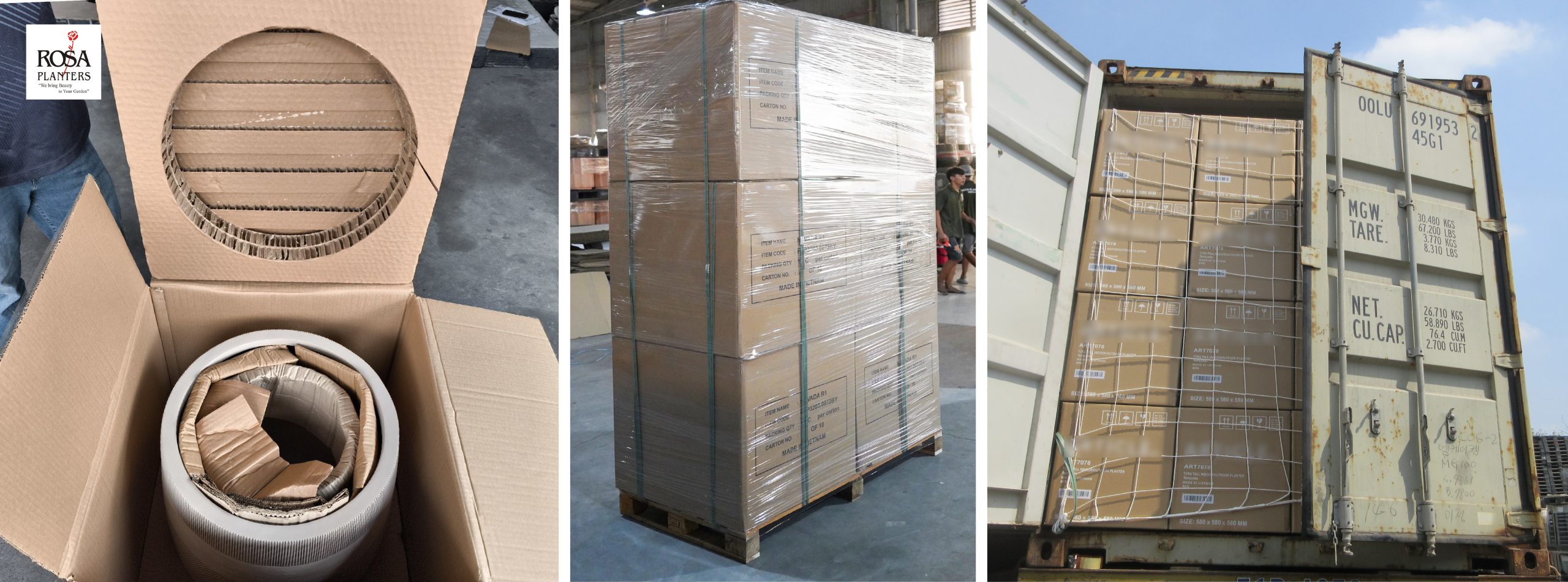
However, plant pots require careful packaging. Ceramic, terracotta, and other fragile materials can require additional protection during transportation.
Packaging and Container Efficiency
Packaging affects both product safety and shipping costs. Proper packaging can reduce damage while making better use of available container space.
Importers should discuss packaging specifications with suppliers before production. They should also consider product stacking, protective materials, carton dimensions, and loading methods.
Consequently, logistics should form part of the sourcing discussion from the beginning. It should not become an issue only after production is complete.
Why Importers Are Exploring Vietnam
Vietnam offers a combination of manufacturing experience, material diversity, customization, and export capabilities. These factors make it relevant for companies developing international plant pot supply chains.
However, successful sourcing depends on selecting the right manufacturing partner. Buyers should compare factories based on their products, capabilities, quality standards, MOQ, and logistics requirements.
For companies considering sourcing planters from Vietnam, a clear sourcing strategy can simplify the process. It can also help buyers build a reliable supply relationship over the long term.
Start Your Plant Pot Sourcing Project
The first step is to define your product requirements. Consider the material, dimensions, design, finish, quantity, packaging, and target market.
Then, discuss these requirements with suitable manufacturers. A professional supplier can help review specifications and identify practical production options.
If you are looking for reliable options for plant pot sourcing Vietnam, our team can discuss your requirements and production needs.
Talk to our sales team to explore suitable plant pot manufacturing solutions in Vietnam.
