ASK QUOTATION LIST
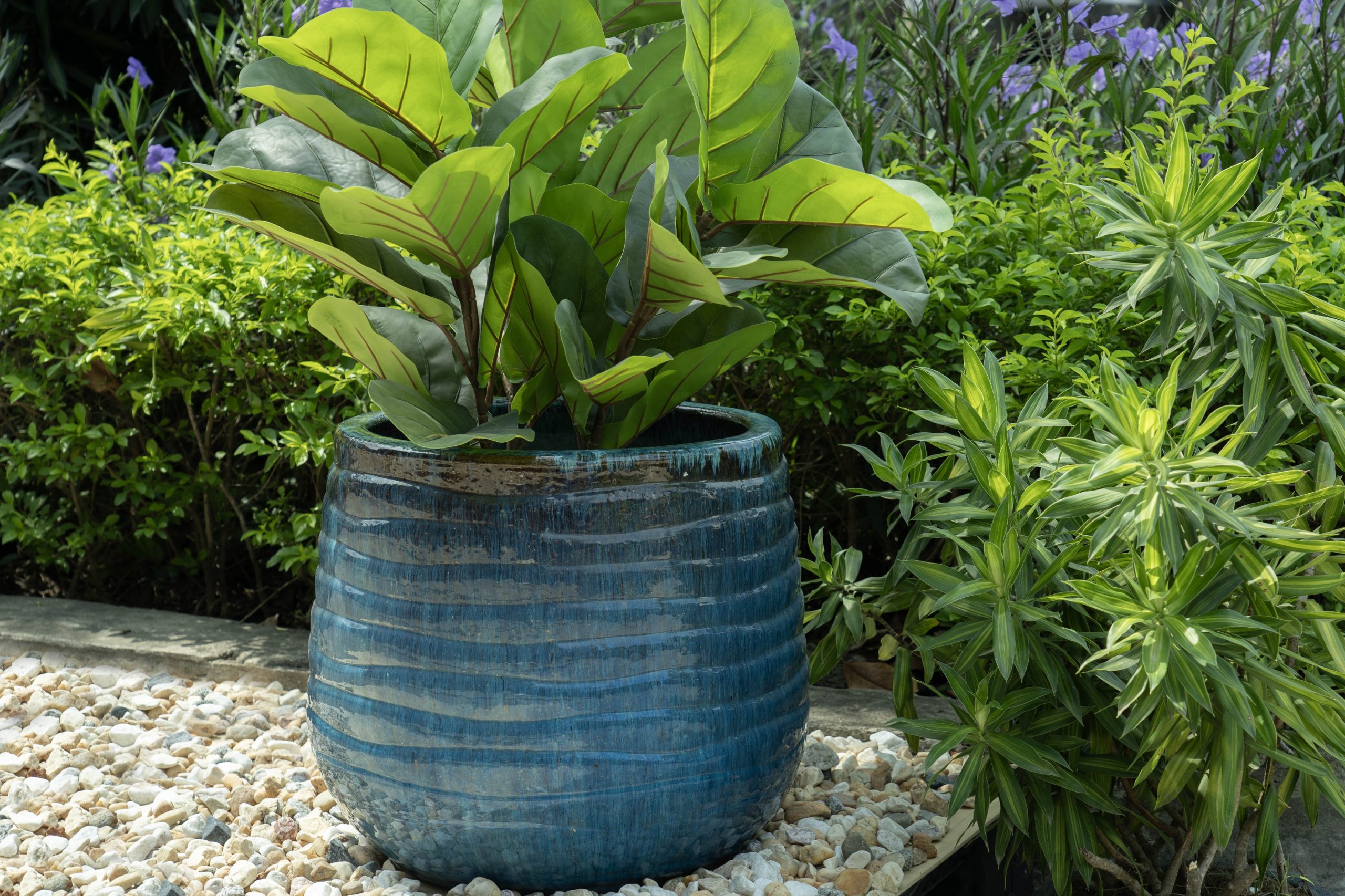
The Complete Guide to Different Types of Plant Pots.
The Complete Guide to Different Types of Plant Pots.
Choosing the right types of plant pots supports healthy plants and successful projects. A pot does more than hold a plant. It also affects drainage, root aeration, weight, and durability.
However, commercial buyers have many options when sourcing pots. This guide compares different plant pot types by material, size, use, design, and logistics
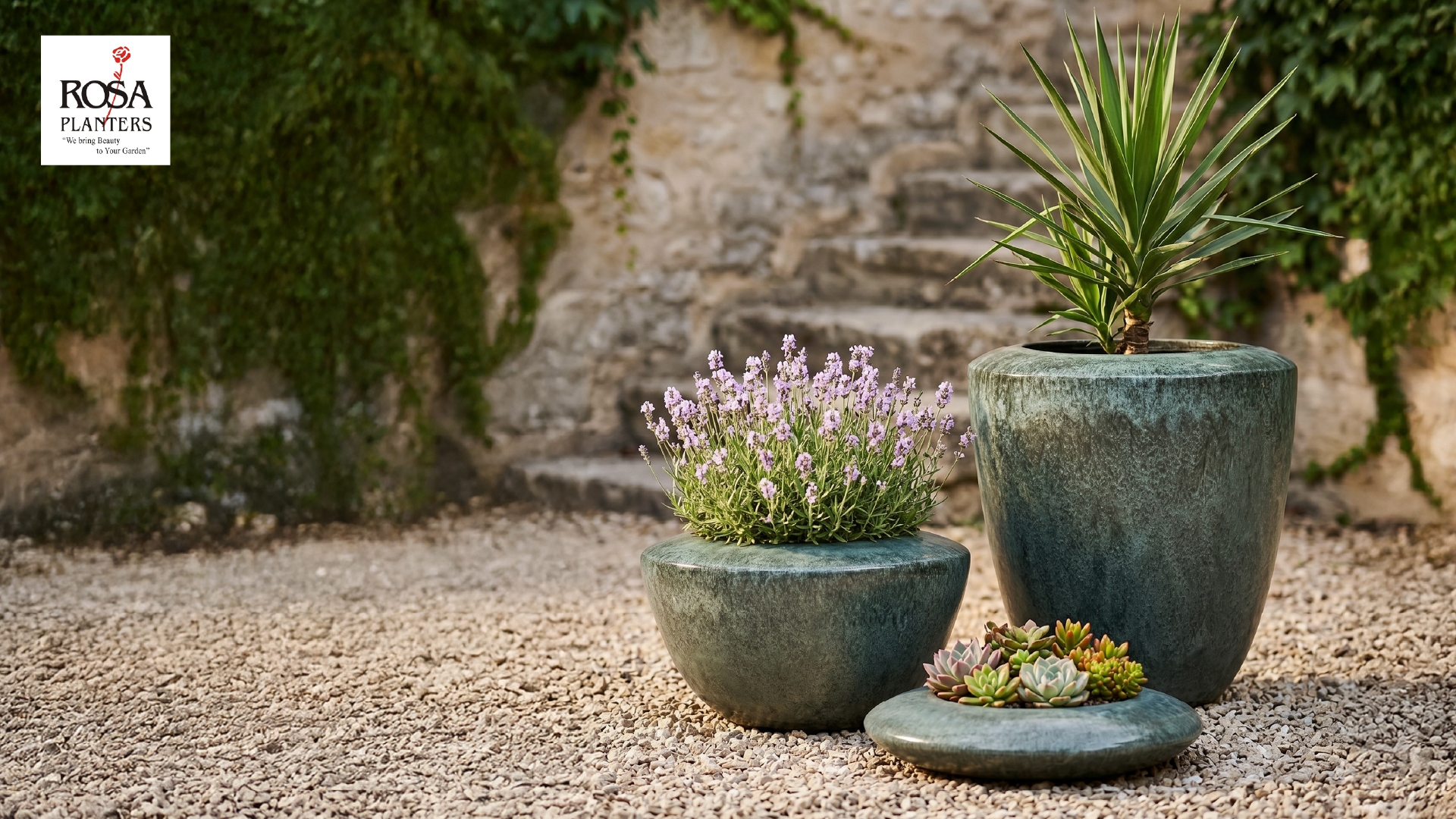
Types of Plant Pots by Material
Material is an easy way to compare plant pot types. It affects weight, durability, drainage, appearance, and price. Therefore, buyers should match each material with its intended use.
1. Ceramic Plant Pots
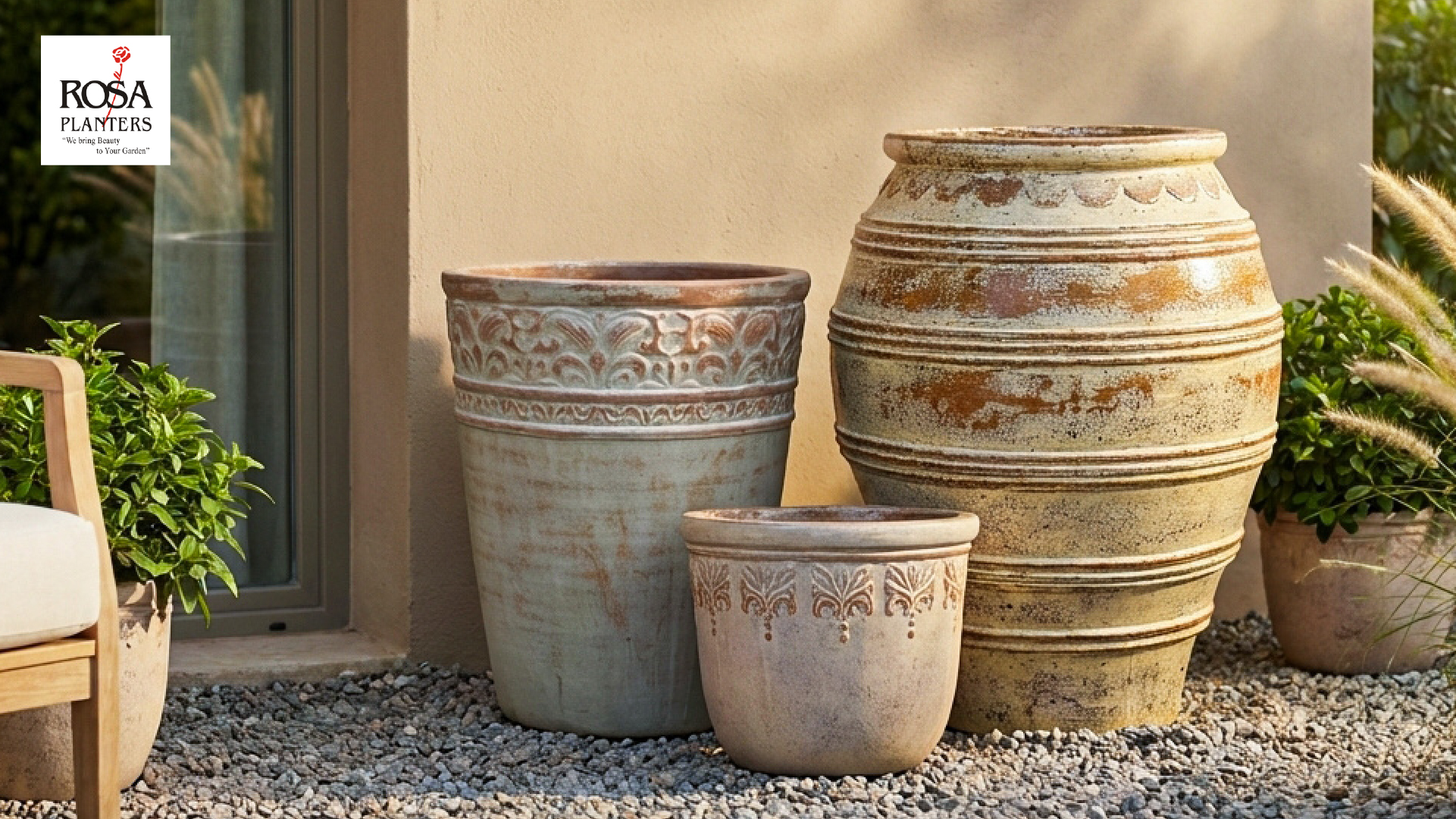
Ceramic pots remain popular because they combine function and style. They come in many colors, textures, and custom shapes. Therefore, they suit interiors and commercial terraces.
Glazed ceramic containers reduce water loss through the pot walls. In contrast, unglazed terracotta allows air and water vapor to move through its porous walls.
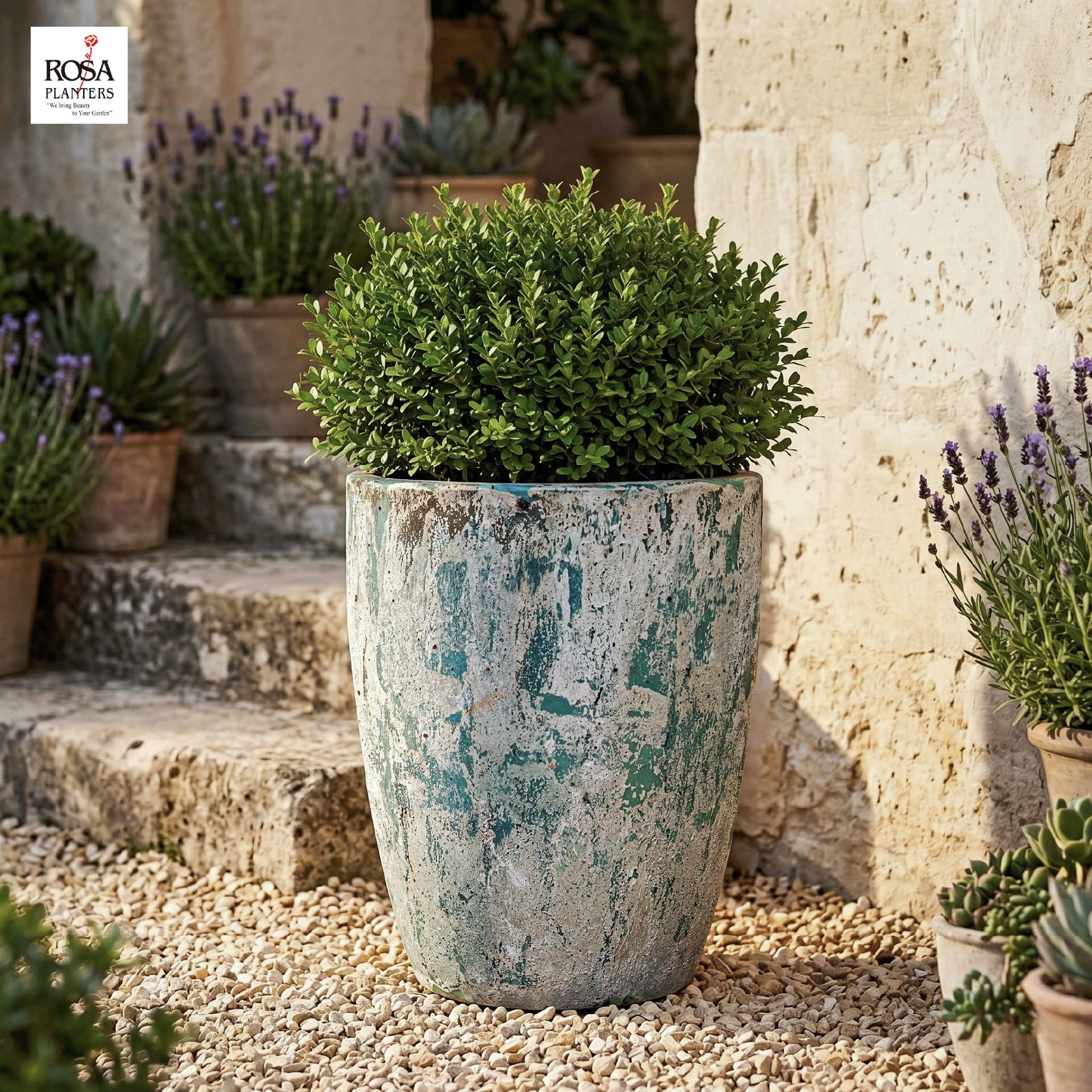
2. Terracotta Pots

Terracotta is a traditional material made from fired clay. It has a natural orange-brown color and a timeless appearance. As a result, it fits retail collections and natural design concepts.
Terracotta works well for herbs, succulents, and Mediterranean plants. It also suits rustic displays and natural design concepts.
Its porous surface allows excess moisture to evaporate. Moreover, its warm finish suits hotels, offices, restaurants, and retail displays.
3. Polystone Plant Pots
Polystone plant pots offer a lightweight and durable option for commercial buyers. They work well indoors and outdoors. In addition, buyers can choose from many sizes, shapes, and colors.
Polystone combines natural stone powder with high-grade resin. Therefore, it provides a stone-like feel without the weight of solid stone. It also resists water, frost, and harsh weather.
For B2B buyers, Polystone offers a premium look and efficient shipping. Its lower weight can also reduce shipping weight compared with heavier materials.
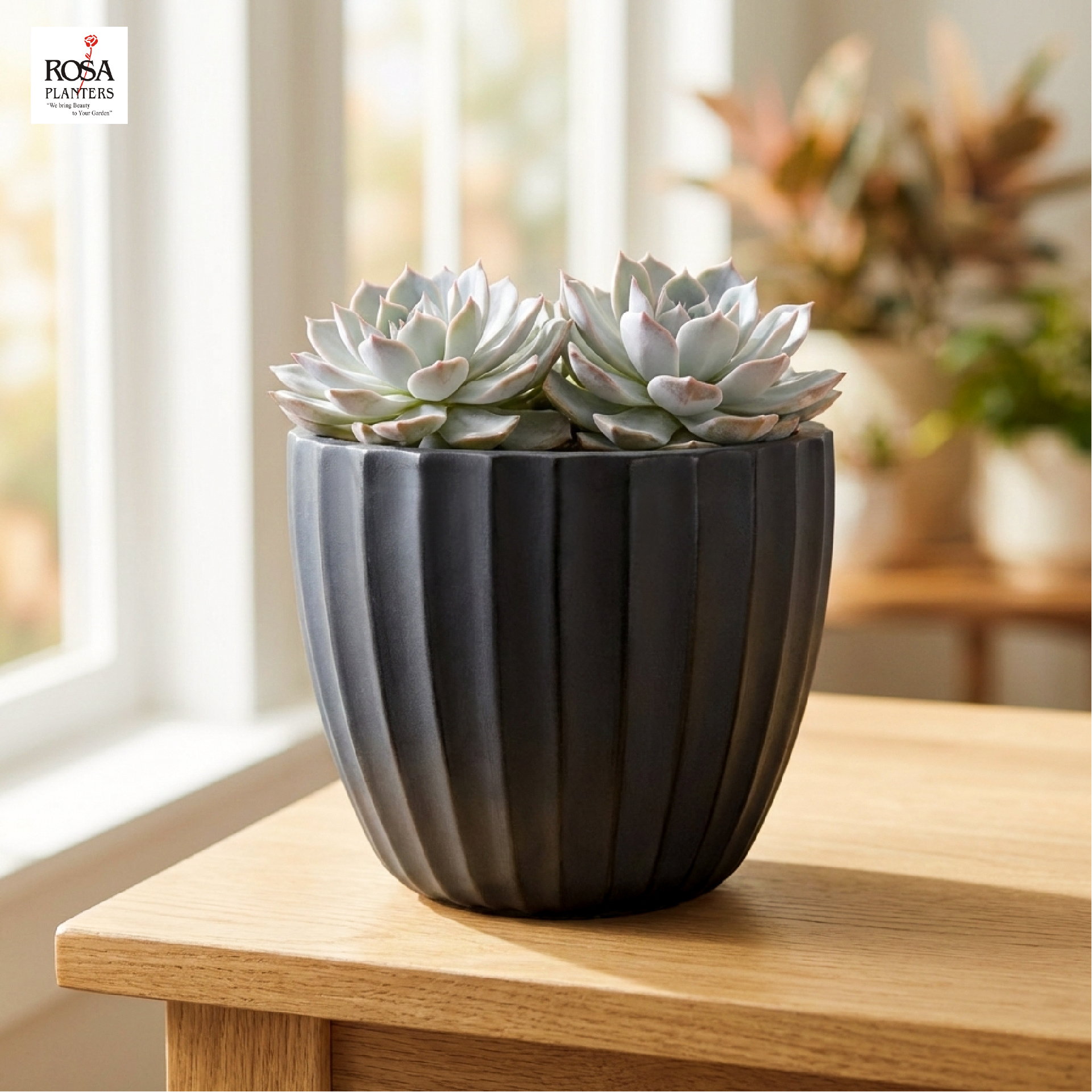
Polystone planters combine the tactile feel of natural stone with lightweight structural resilience for commercial spaces.
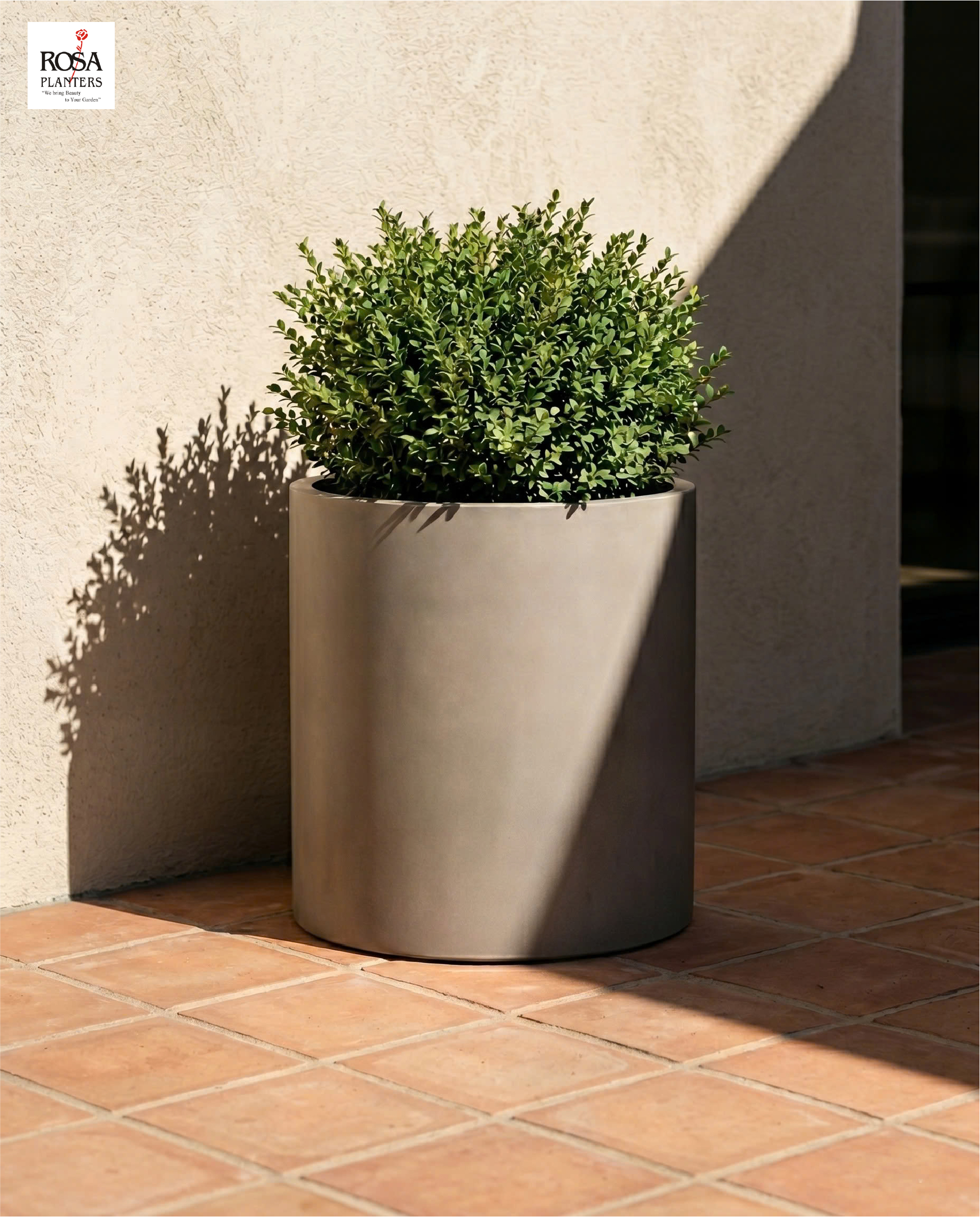
4. Fiber Concrete Plant Pots
Fiber concrete combines the raw look of cast cement with internal reinforcing mesh. This construction creates a strong architectural planter. Moreover, neutral tones and clean lines suit modern commercial spaces.
Large fiber concrete pots work well for specimen trees and shrubs. Their sturdy construction also provides strong wind stability in exposed areas.
5. Metal Plant Pots
Metal planters offer a modern and industrial appearance. Aluminum, galvanized steel, and coated metals can create a distinctive look. As a result, they suit contemporary gardens and commercial landscapes.
Metal pots provide strong durability. However, direct sunlight can make them very hot. Buyers should therefore consider the local climate and plant needs.

Wooden planters add warmth and a natural touch to any space.
6. Wood and Other Materials
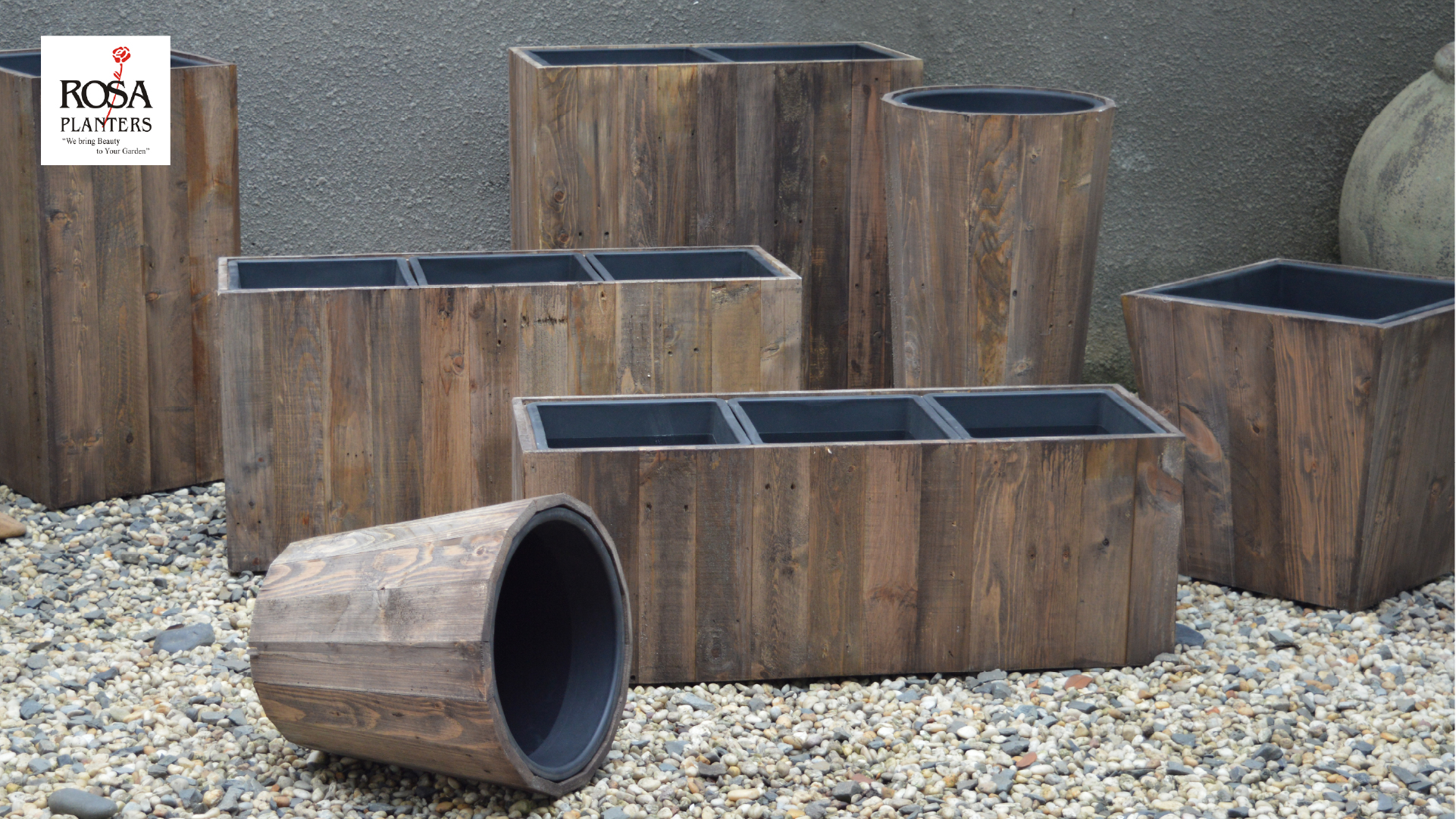
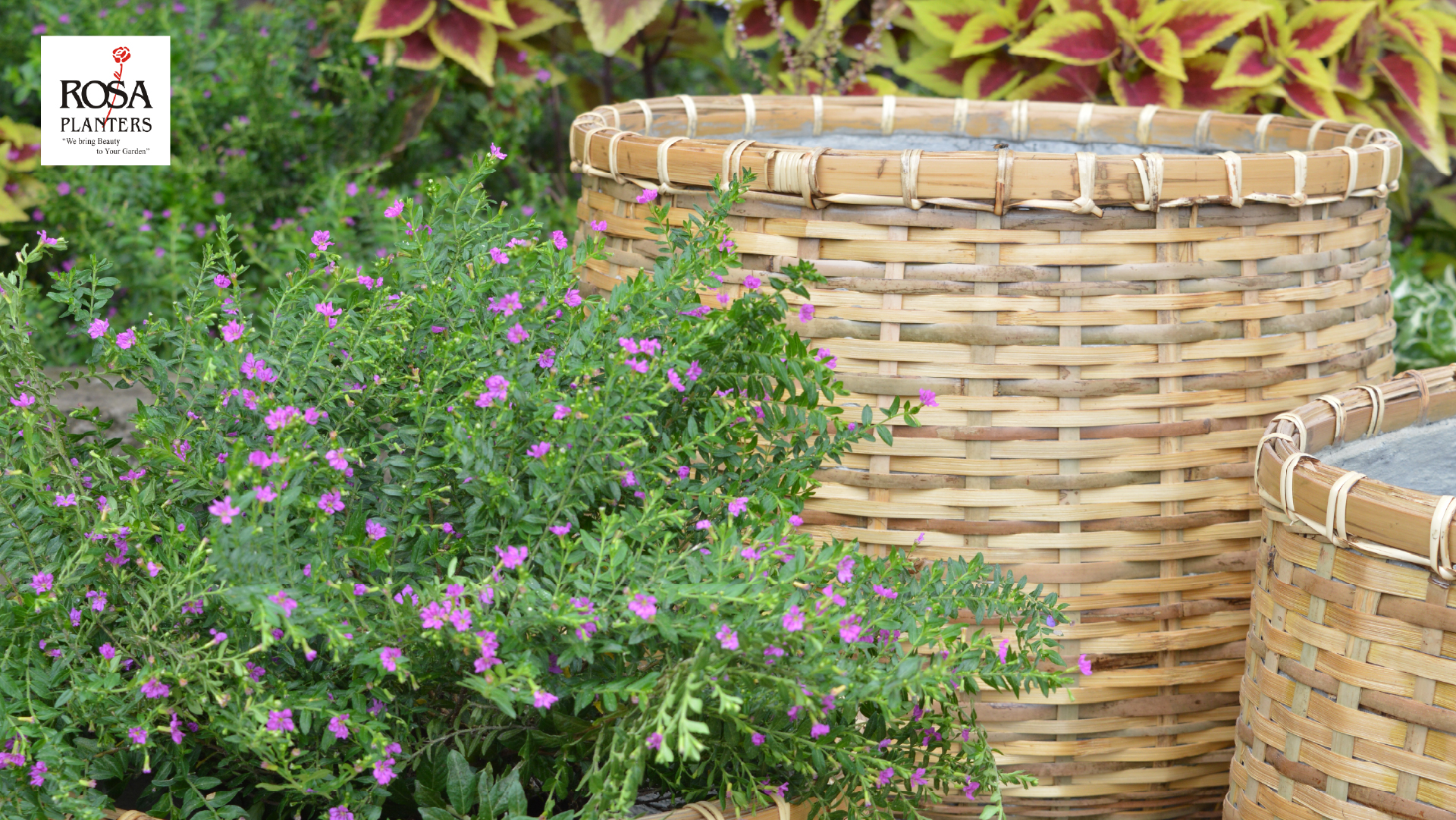
Wooden planters add warmth and a natural feel to gardens and indoor spaces. Woven planters offer another decorative option. Natural fibers add texture and rustic character.
Each fiber type creates a different visual effect. Meanwhile, B2B sourcing agents and importers can offer both traditional and modern materials.
As a result, this variety can meet different customer preferences and design trends.
Plant Pot Types Comparison Guide
| Material | Weight Profile | Weather/Frost Resistance | Visual Appeal | Ideal Commercial Use |
| Ceramic | Medium to heavy. | High; frost resistance varies by construction and finish. | Premium, polished, highly decorative. | Hotels, restaurants, offices, retail displays, interior projects. |
| Terracotta | Medium. | Moderate; suitable for many outdoor applications but vulnerable to freezing conditions. | Warm, natural, timeless, rustic. | Garden centers, restaurants, hospitality, Mediterranean or rustic projects. |
| Polystone | Lightweight to medium | High; designed for strong weather durability and suitable for many outdoor applications. | Premium stone-like appearance with refined finishes. | Architectural landscaping, hotels, offices, restaurants, commercial entrances. |
| Fiber Concrete | Medium to heavy. | High; generally, well suited to outdoor environments. | Contemporary, architectural, concrete-inspired. | Commercial landscaping, hotels, offices, public spaces, outdoor projects. |
| Metal | Lightweight to medium. | Good to high, depending on metal type and protective finish. | Modern, sleek, industrial. | Hotels, restaurants, offices, retail, contemporary landscaping. |
| Wood | Lightweight to medium. | Moderate; requires suitable treatment for prolonged outdoor exposure. | Natural, warm, organic. | Hospitality, restaurants, garden centers, rustic or biophilic projects. |
Indoor vs Outdoor Plant Pots
Choosing between indoor and outdoor pots depends on durability, drainage, weight, and environment. For example, commercial buyers should consider these factors before selecting products.
Indoor Plant Pots
Indoor plant pot types should balance appearance, drainage, and practical care. Ceramic, terracotta, fiber concrete, and other decorative finishes can suit indoor applications.
Key considerations include:
- Materials: Ceramic, terracotta, fiber concrete, and other decorative finishes.
- Applications: Offices, hotels, restaurants, retail stores, and residential projects.
- Design: Color, shape, finish, and size help create a cohesive assortment.
- Drainage: Drainage options need careful consideration, especially for live plants.
Decorative ceramic, terracotta, and modern fiber pots can work well indoors. Therefore, retailers can build collections around different styles and interior concepts.

Outdoor Plant Pots
Outdoor plant pot types need to handle rain, sunlight, wind, and temperature changes. Therefore, buyers should focus on durability and suitable weight.
Common materials include:
- Materials: Polystone, ceramic, fiber concrete, metal, and concrete-look finishes.
- Applications: Landscaping, hospitality spaces, entrances, patios, and outdoor dining areas.
- Weight: Lightweight pots simplify handling, installation, and shipping.
A good balance of weight, durability, and design can improve project performance. It can also support better shipping efficiency.
Choosing the Right Plant Pot Size
Size plays an important role when selecting plant pots for retail and commercial projects. Different sizes support different plant types and installation environments. Options range from compact tabletop pots to large statement planters.
Small, Medium, and Large Plant Pots
Plant pot size should match both the plant and its application. Therefore, buyers can use the following basic guide:
- Small: Suitable for seedlings, succulents, herbs, and compact plants.
- Medium: Versatile for decorative foliage and general retail assortments.
- Large: Ideal for mature plants, shrubs, statement displays, and commercial spaces.
Large plant pots can suit entrances, terraces, hotels, offices, and restaurants. Meanwhile, smaller options work well for shelves, tables, and compact displays.
For retailers and wholesale buyers, offering multiple sizes within one design creates a coordinated assortment. Size should also be reviewed alongside tare weight, packing efficiency, handling needs, and freight costs.
How to Choose the Best Plant Pot
The best pot depends on the project, plant, environment, and logistics. Therefore, buyers should review several factors before placing an order.
- • Consider the Application: First, identify where the pots will go. Indoor rooms, outdoor parks, hotels, and offices have different needs.
- • Evaluate Material and Durability: Next, choose materials based on weather exposure and daily use. Outdoor pots must handle sun and rain. Indoor pots often focus more on finish, drainage, and easy care.
- • Consider Size and Logistics: Size affects both visual impact and shipping costs. Therefore, check pot weight, packing efficiency, and container space before ordering.
- • Match the Design: Pots also serve as important design elements. Thus, colors, shapes, and textures should match the overall project theme.
- • Build the Right Assortment: Finally, offer coordinated designs in different sizes and colors. This approach helps retailers serve more customers and project requirements.
Popular Plant Pot Types for Retailers and Importers
For wholesalers and importers, product variety is important. Customers have different needs, budgets, and design preferences.
- Polystone and composite plant pots for lightweight, frost-resistant, high-margin solutions.
- Ceramic pots for decorative indoor displays.
- Terracotta pots for natural and traditional styles.
- Outdoor planters for gardens, balconies, patios, and commercial spaces.
- Large plant pots for statement plants and landscaping.
- Modern plant pots for contemporary homes and offices.
- Wholesale plant pots in multiple sizes and coordinated designs.
Offering different materials, sizes, and styles helps retailers serve diverse customers. It also supports professional landscaping and commercial projects.
Finding the Right Plant Pot
Choosing the right plant pot means balancing plant needs with space requirements. Material, drainage, size, durability, weight, and design all matter.
For B2B buyers and importers, a diverse range of plant pots provides greater flexibility. It helps businesses meet different market demands and customer preferences.
At Rosa Planters, we offer a wide variety of plant pot designs, materials, sizes, and finishes. These options suit different applications, markets, and design styles.
Frequently Asked Questions
What makes Polystone different from plastic and fiber concrete?
Polystone is an engineered composite made with natural stone powder and high-grade polymer resin. Unlike plastic, it provides a dense feel, matte texture, and stone-like appearance.
Compared with fiber concrete, Polystone offers lower tare weight. It also provides strong crack and frost resistance, which can help optimize container shipping costs.
Which materials offer the best weather resistance outdoors?
High-grade Polystone, commercial fiber concrete, and properly glazed high-fired ceramics offer strong outdoor durability. Polystone works particularly well in freeze-thaw climates because its non-porous matrix limits moisture absorption.
Unsealed terracotta and standard cement can absorb more moisture. Therefore, buyers should consider local weather conditions before selecting these materials.
How do pot weight and size affect shipping costs?
Planter weight affects whether an ocean container reaches its weight limit before its volume limit. Heavier materials, such as traditional ceramic, can reach freight weight limits quickly.
Lighter composite materials, such as Polystone, can use 40ft High Cube volume more efficiently. Consequently, they can help lower landed freight costs per unit.
What should retailers consider for indoor vs outdoor ranges?
Retailers should evaluate drainage, weather durability, weight, and nesting capabilities. Indoor ranges often prioritize watertight cachepots, decorative glazes, and shelf appeal.
Outdoor ranges require UV-stable pigments, drainage systems, and suitable nesting sets. These features can reduce storage needs and support coordinated garden collections.
Ready to Source Your Next Planter Collection?
Explore Rosa Planters’ latest planter designs and product options for retail, hospitality, landscaping, and commercial projects.
Download Our Trade Catalogue to browse the full collection, or Request a Wholesale Quotation for your next order.

