ASK QUOTATION LIST
What Is Terracotta? Production, Durability & Wholesale Tips
What Is Terracotta? Production, Durability & Wholesale Tips
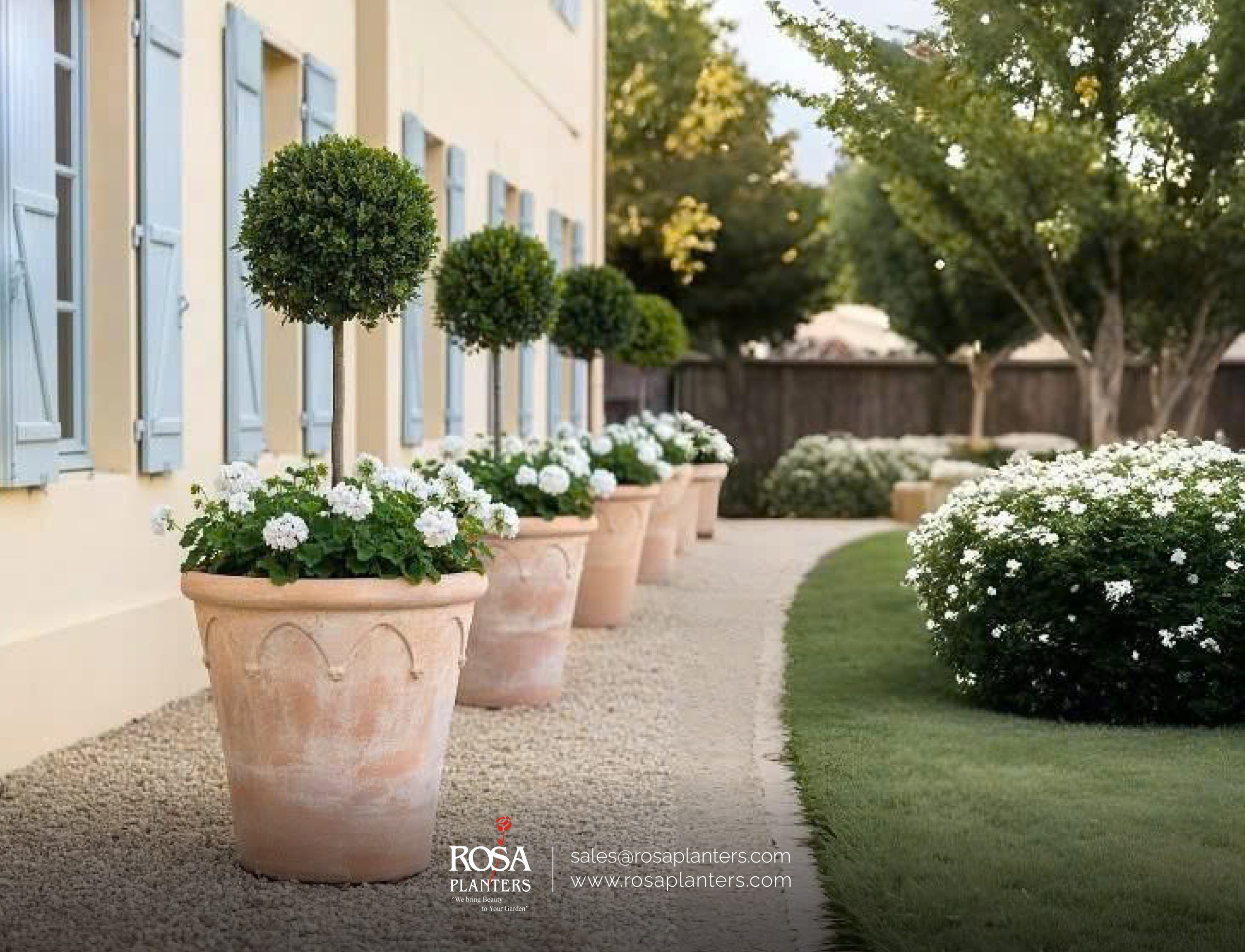
Terracotta is one of the oldest and most recognizable materials in the world. Its warm reddish-brown color and handmade character suit gardens, patios, and modern interiors alike. Therefore, many buyers ask, “What is terracotta?”
This guide answers that question for retailers and importers. It covers the definition, composition, production process, and performance of terracotta material. In addition, it explains how the craft traditions of Vinh Long, Vietnam, shape today’s terracotta pots and terracotta planters.
What Is Terracotta?
The word terracotta comes from the Italian terra cotta, meaning “baked earth.” It refers to clay that craftspeople shape and fire, often without a glaze. People have used it since prehistoric times.
Ancient societies relied on terracotta for many everyday needs. For example, Greek and Roman communities made bricks, roof tiles, lamps, sculptures, and figurines from it. Archaeological evidence shows that fired-clay objects date back to prehistoric periods. Consequently, terracotta ranks among the earliest forms of human craftsmanship.
Today, designers, gardeners, architects, and artisans still choose terracotta. Its beauty lies in natural imperfections rather than perfect uniformity. Moreover, it brings warmth and authenticity to both traditional and contemporary spaces.
What Is Terracotta Made Of?
Terracotta starts with one of the most abundant materials on Earth: clay. Makers mix clay with water until it turns soft and malleable. Then they shape it by hand or with simple tools.
Iron-rich terracotta clay gives the material its signature color. When fired, it develops warm, earthy tones, from red to orange. Therefore, the clay composition and the firing process together decide the final shade.
Local soil also adds character. In Vinh Long, workers traditionally collect clay from canals and waterways in Vinh Long and nearby Tra Vinh. They then carry it to workshops for processing. As a result, every piece carries the character of the earth where it began.
The Terracotta Production Process
The basic process has stayed remarkably consistent throughout history. Pottery techniques and kiln technology have evolved, however. The core steps remain the same: prepare, shape, dry, and fire.
Preparing, Shaping, and Drying
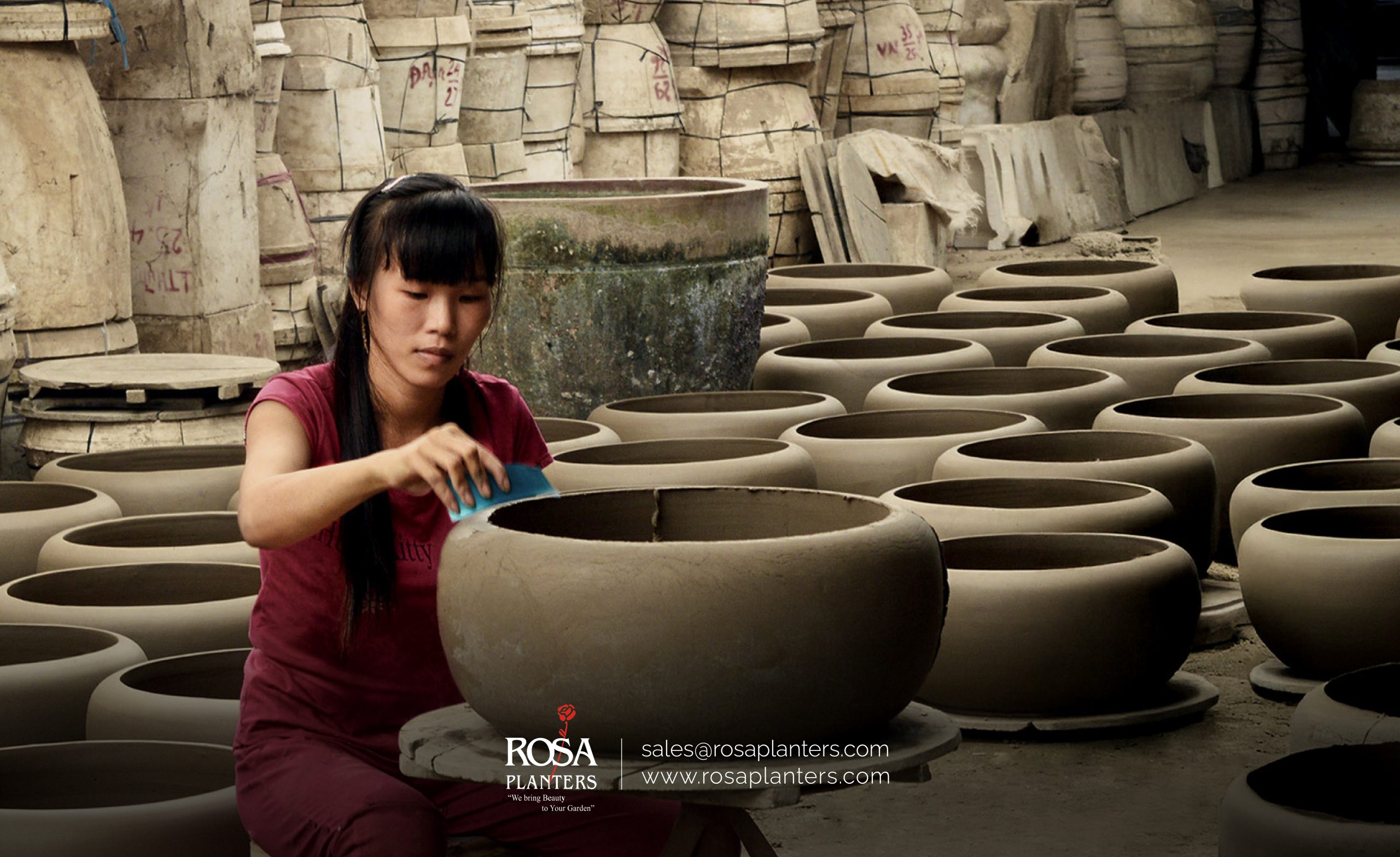
First, workshops prepare the raw clay. Next, artisans shape it into pots, planters, tiles, or bricks. Some stages require experienced artisans who work carefully and patiently by hand.
After shaping, the pieces dry. This step removes moisture before the clay meets the heat of the kiln.
Firing in the Kiln
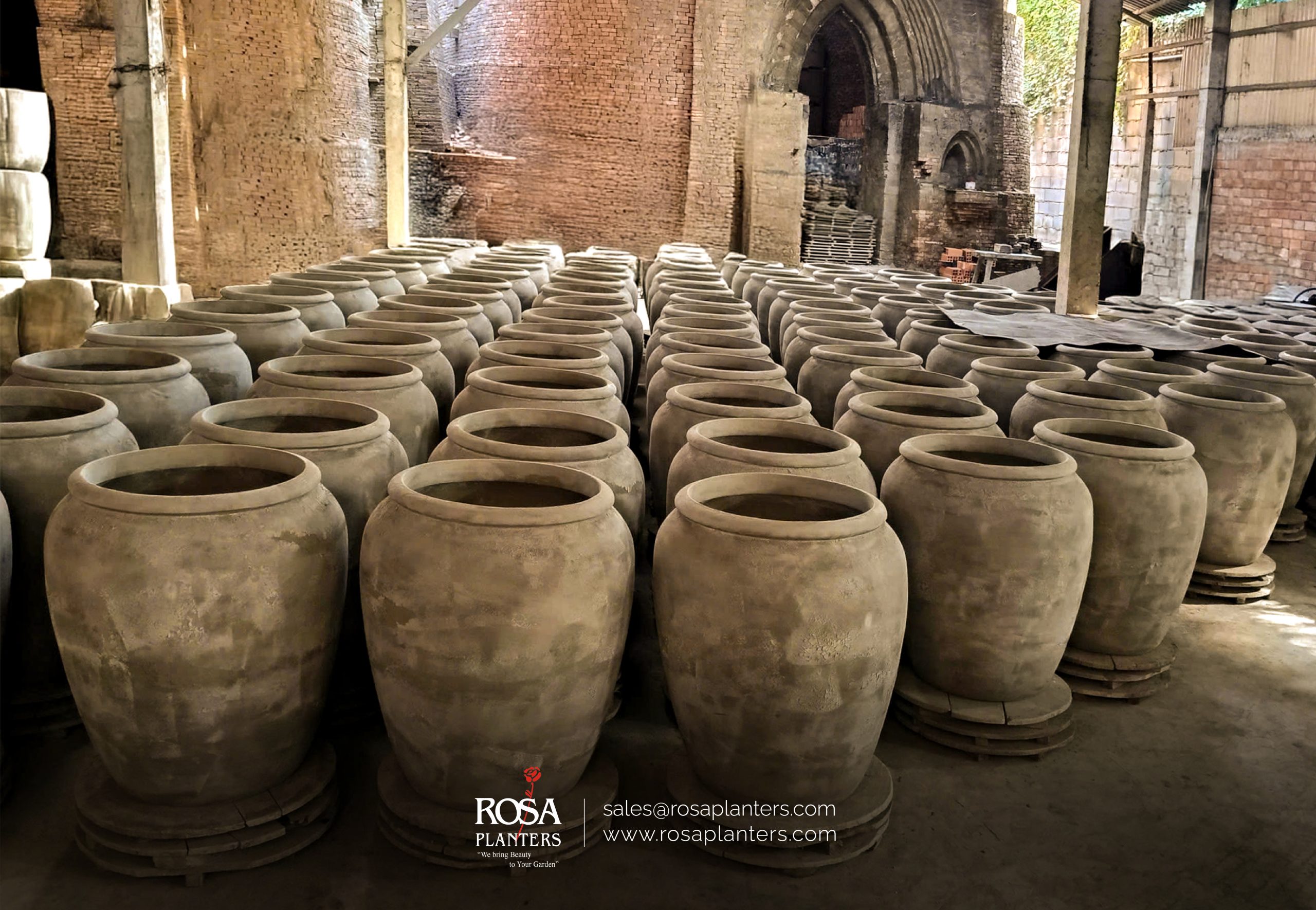
Clay alone is soft and fragile. Fire changes everything. During firing, soft clay becomes a stable ceramic material with greater strength and durability.
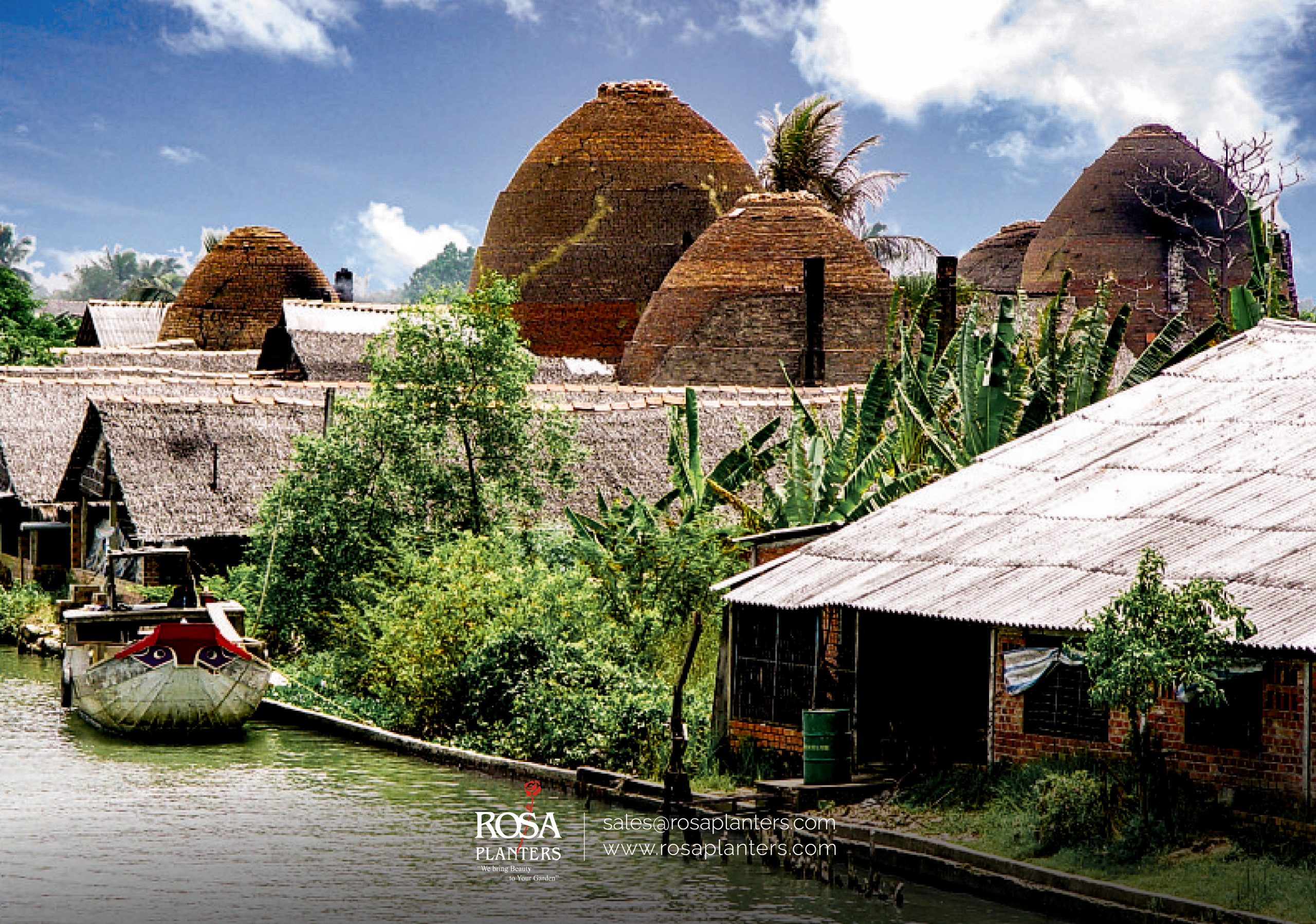
Traditional kilns in Mang Thit are remarkable structures. Many have a tall, rounded, tower-like form, typically 7 to 12 meters high. In addition, producers burned rice husk ash as fuel.
Terracotta Craft in Vinh Long, Vietnam
Vietnam has developed its own remarkable traditions of working with clay. One of the best examples sits in Mang Thit, Vinh Long, in the Mekong Delta. There, the brick-making craft dates back more than 100 years.
A Century-Old Craft Village
Mang Thit became famous for its distinctive red bricks and ceramics. At its peak, the craft village stretched about 30 kilometers across Vinh Long City, Long Ho, and Mang Thit. Moreover, it counted more than 3,000 operating kilns.
The location beside canals and the Co Chien River mattered greatly. Waterways made it easier to transport raw materials and finished products. Therefore, the industry grew into a major part of the local economy. In the 1980s, the craft supported thousands of workers, and buyers purchased its products at home and abroad.
From Decline to Renewal
However, the village changed significantly over the decades. Rising production costs and shifting consumer habits drove the decline of traditional brick firing after 2000. Many kilns came down, while others stood inactive and gradually gathered vegetation and moss.
Today, the craft is finding new possibilities. Workshops now make ceramic planters in different shapes, along with decorative pottery for modern consumers. Some kilns welcome tourists who want to see pottery production firsthand. Furthermore, Vinh Long approved a master plan in 2024 to develop a large-scale brick and pottery village tourism area.
Are Terracotta Pots Porous?
So, are terracotta pots porous? Yes. Fired clay keeps tiny pores that let air and moisture pass through the pot walls. Consequently, soil dries faster in terracotta than in glazed or polystone pots.
This breathability helps roots get air. However, it also means plants need watering more often. Drainage holes therefore matter for both indoor and outdoor use. The Terracotta Tradition collection, for instance, includes drainage holes in its planters.
How Durable Is Terracotta?
Firing gives terracotta its strength. The process turns soft clay into a stable ceramic that withstands everyday use. The Terracotta Tradition collection uses traditional earthenware fired at 700°C.
When comparing terracotta vs ceramic, remember that terracotta is itself a type of ceramic. Unlike many glazed ceramics, it usually has no glaze. However, a hard knock can still chip or crack it.
In addition, water trapped in the pores can crack a pot in freezing weather. Buyers in cold climates should therefore advise customers to keep planters dry in winter.
How Heavy Is Terracotta?
Terracotta is a dense, fired ceramic. For this reason, it weighs more than resin or composite planters. Large pieces become especially heavy once filled with soil.
On the other hand, this weight gives tall plants a stable base. Weight varies with size and wall thickness, so buyers should request exact specifications for each item.
Terracotta Finishes and Best Uses for Planters
Color and Texture
Terracotta offers a natural palette. Colors range from soft blush and pale reddish tones to deeper burnt orange and earthy brown. Unlike synthetic colors, this palette feels organic and calming.
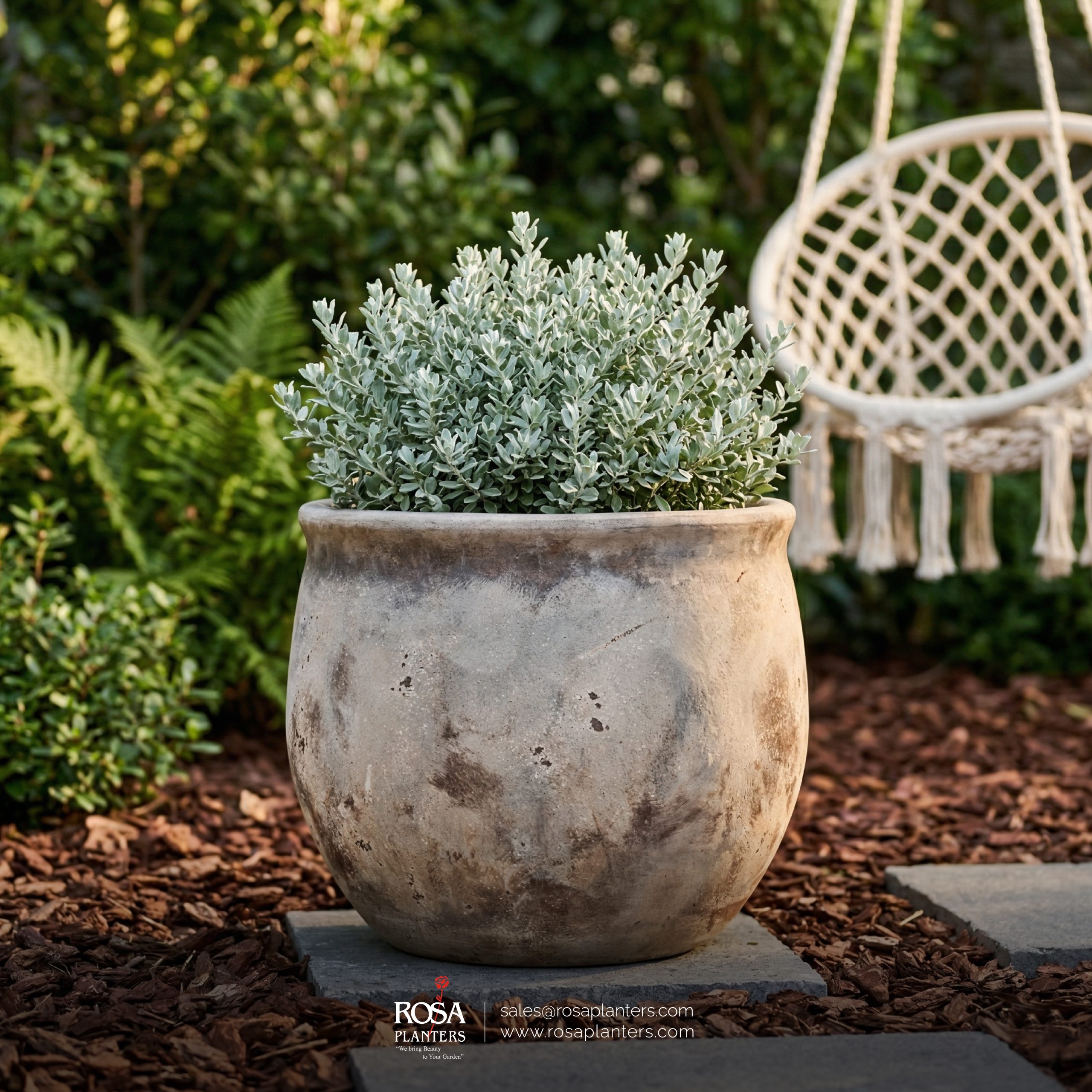
The Terracotta Tradition collection features natural reddish-white washed surfaces. Meanwhile, the slightly rough surface lets customers see and feel the material itself. As a result, terracotta pairs well with natural wood, stone, plants, and linen.
Handmade Variation
Handmade pieces may show slight differences in dimensions, color tones, or surface texture. Buyers should read these differences as evidence of the production process, not as flaws. After all, its beauty does not come from being perfectly uniform; it comes from being naturally human.
Best Uses for Planters
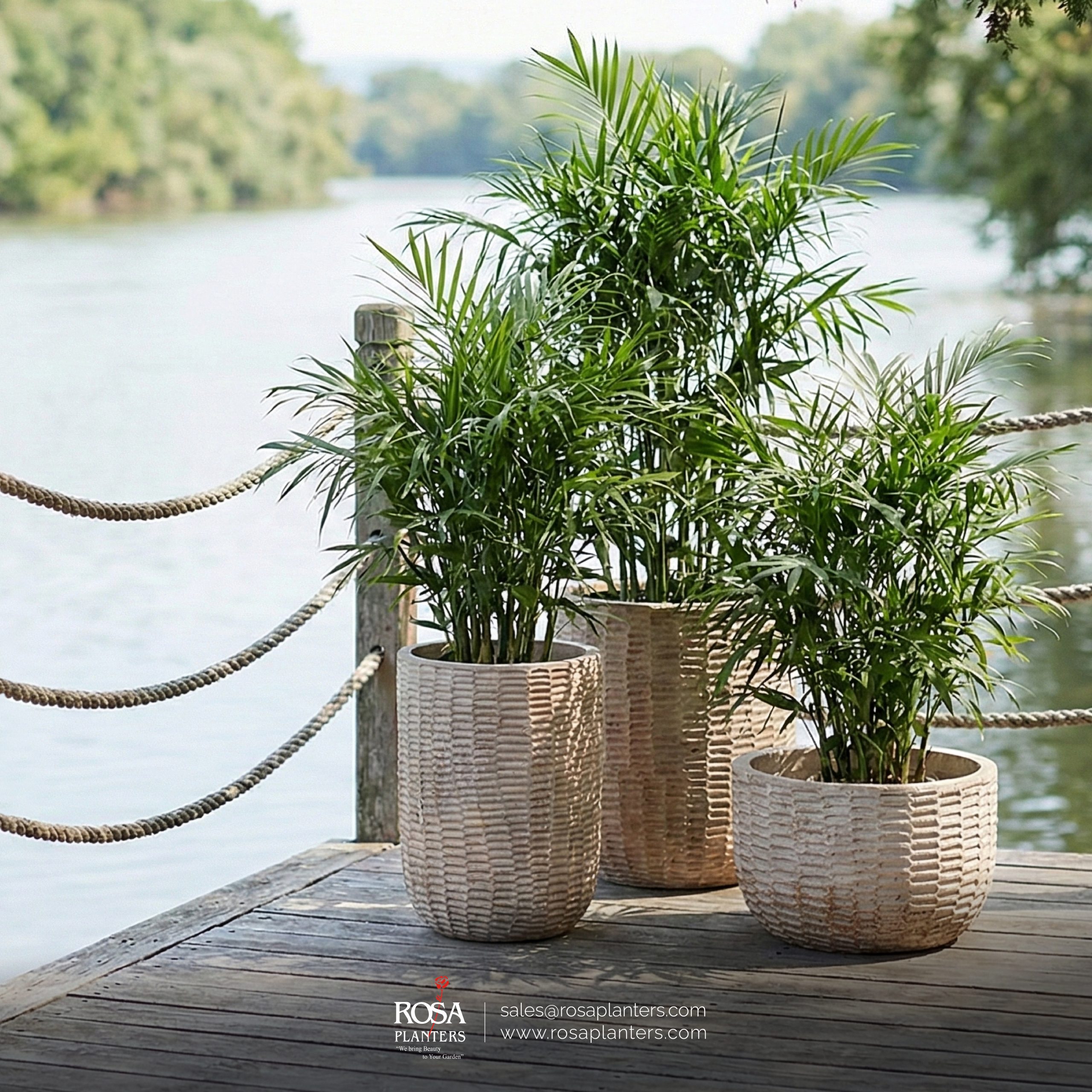
The warm color contrasts beautifully with green foliage. Meanwhile, the simple form keeps the plant as the visual focus. Therefore, terracotta planters for outdoor and indoor spaces suit many settings:
• Indoor botanical displays
• Gardens, patios, and balconies
• Rustic and Mediterranean interiors
• Contemporary minimalist spaces
A terracotta pot looks equally at home in a traditional garden or beside modern furniture.
Terracotta Maintenance and Care
Terracotta needs only simple care. Wipe the surface with a damp cloth to remove dust and dirt. In addition, keep the drainage holes clear so excess water can escape.
Because the pores absorb moisture, a pot may develop natural marks over time. Customers can treat these marks as part of its character. Furthermore, retailers can share these care tips with buyers at the point of sale.
Shipping Terracotta Planters
Terracotta is both heavy and brittle. Therefore, packaging plays a major role in protecting each shipment. Careful stacking and secure palletizing reduce breakage during transport.
Weight also affects freight cost. Consequently, importers should compare carton sizes, pallet loads, and container space before ordering. Clear communication with the supplier about packing methods prevents costly surprises.
Wholesale Considerations for Terracotta Pots
When sourcing terracotta pots wholesale, importers should assess suppliers against clear technical criteria. First, confirm the clay type and firing temperature. Next, check specifications for size, drainage holes, and finish.
In addition, review the packing method and the expected breakage rate. Consequently, you control the cost and risk of each shipment more tightly.
Because handmade goods vary slightly, agree on acceptable tolerances with customers early. Approval samples confirm color, texture, and quality before a bulk order. Finally, settle the minimum order quantity and lead time at the start.
Earth becomes clay, and fire gives it strength. Time then gives it character. That story is why terracotta keeps its appeal, and why it sells.
Ready to explore our range? Download the Terracotta Catalogue.