ASK QUOTATION LIST
The Complete Guide to Different Types of Plant Pots
The Complete Guide to Different Types of Plant Pots
Choosing the right plant pot is more important than it may seem. A pot does more than simply hold a plant—it affects drainage, root health, appearance, portability, and even how well a plant grows indoors or outdoors. With so many types of plant pots available, finding the right option can be challenging for retailers, importers, and plant lovers alike.
From classic ceramic containers to lightweight plastic pots and large outdoor planters, each type offers different advantages. This guide explores the main types of planters, common plant pot types, materials, sizes, and practical tips to help you choose the best pot for different plants and spaces.
From classic ceramic containers to lightweight plastic pots and large outdoor planters, each type offers different advantages
Types of Plant Pots by Material
One of the easiest ways to compare plant pots is by looking at the material. The material influences durability, weight, drainage, appearance, and price.
- Ceramic Plant Pots
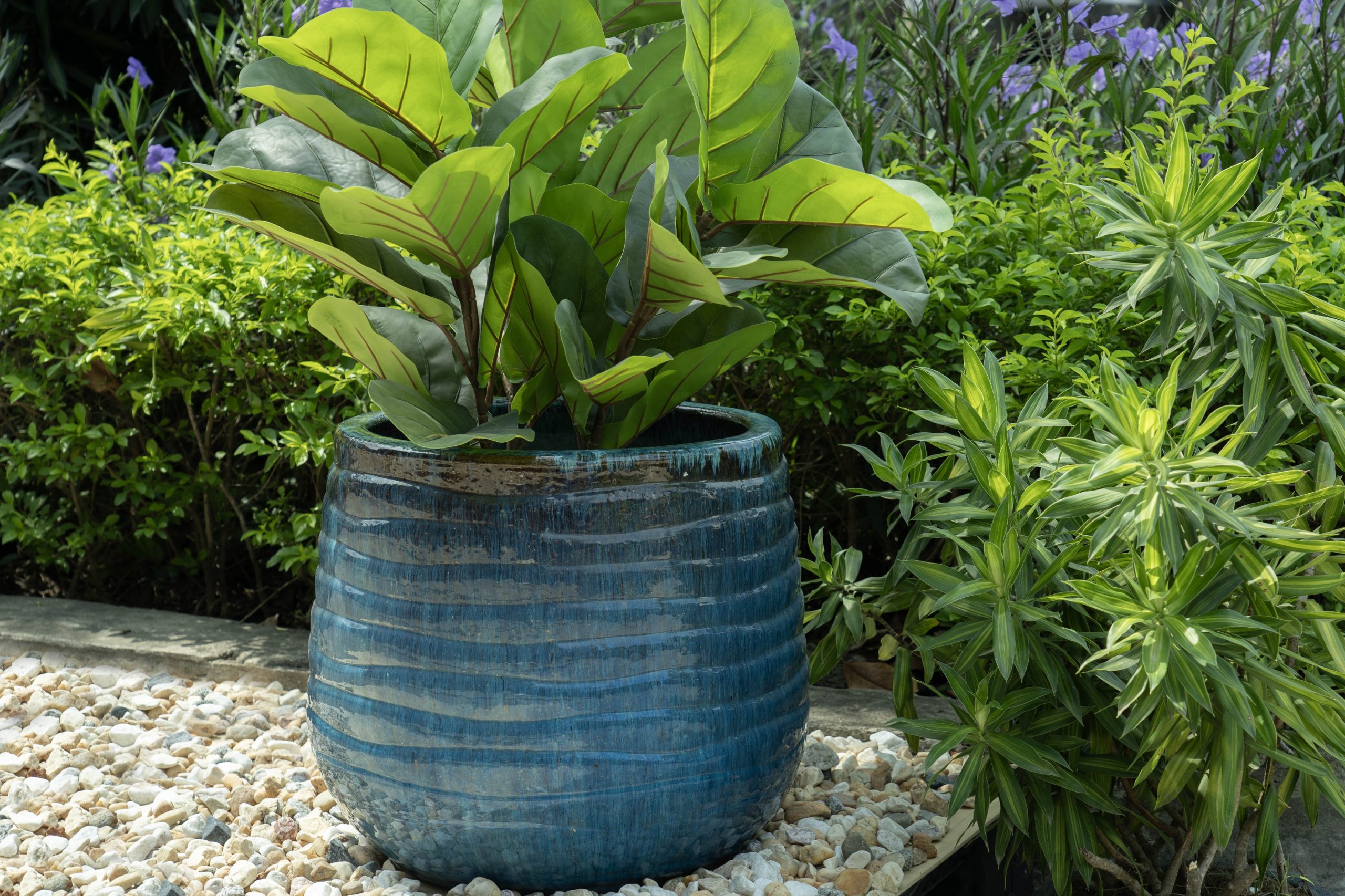
Ceramic pots are popular because they combine functionality with attractive designs. They are available in a wide range of colors, textures, shapes, and finishes, making them suitable for decorative interiors, balconies, patios, and commercial spaces.
Glazed ceramic pots are generally more resistant to moisture, while unglazed ceramic or terracotta allows more air and moisture to move through the pot walls. Their heavier weight also provides good stability for larger plants.
For retailers, ceramic pots can be an excellent choice when customers are looking for decorative and premium-looking planters.
Ceramic pots are popular because they combine functionality with attractive designs.
- Terracotta Pots
Terracotta is a traditional material made from fired clay. Its natural orange-brown appearance works particularly well with herbs, succulents, Mediterranean plants, and rustic interior styles.
One of the main benefits of terracotta is its porous surface. It allows excess moisture to evaporate, which can help reduce the risk of overwatering. However, terracotta can dry out faster than plastic or glazed ceramic, so plants may require more frequent watering.
Terracotta is a traditional material made from fired clay.
- Polystone Plant Pots
Polystone plant pots are lightweight, affordable, and easy to transport. They are available in many sizes and colors, making them one of the most versatile plant pot types.
Because plastic is resistant to moisture and relatively durable, these pots are commonly used for nurseries, indoor plants, balconies, and outdoor gardening. Plastic containers are also practical for wholesale applications because they are generally easier to handle and ship than heavier materials.
Polystone plant pots are lightweight, affordable, and easy to transport.
- Fiber Concrete Plants Pots
Fiber concrete plant pots combine the strength and contemporary appearance of concrete with reinforcing fibers that help create a durable yet more manageable planter. Compared with traditional concrete pots, fiber concrete planters can offer a lighter-weight solution while maintaining a substantial and premium appearance.
Their clean lines, natural textures, and neutral colors make them particularly suitable for modern gardens, patios, balconies, entrances, offices, hotels, and commercial landscapes. Large fiber concrete plant pots are also ideal for statement plants, shrubs, and small trees because their sturdy construction provides excellent stability.
Fiber concrete plant pots combine the strength and contemporary appearance.
- Metal Plant Pots
Metal planters offer a modern and industrial appearance. Materials such as aluminum, galvanized steel, and other coated metals can create a distinctive look for contemporary gardens and commercial landscapes.
Metal pots are often durable, but they can become hot when exposed to direct sunlight. For outdoor applications, it is important to consider the climate and plant requirements before selecting this type of container.
Metal planters offer a modern and industrial appearance.
- Wood and Other Materials
Wooden planters can add warmth and a natural appearance to gardens, patios, and indoor spaces. Weaving planters are another popular option because natural fiber weaving serves as a distinctive decorative accent, adding warmth, texture, and a natural character to the planter. Each type of natural fiber offers its own unique texture and tone, creating subtle variations that enhance the overall design.
For retailers and importers, offering a mix of traditional and modern materials can help meet different customer preferences and design trends.
Wooden planters can add warmth and a natural appearance to gardens, patios, and indoor spaces.
Indoor vs Outdoor Plant Pots
Not every pot is suitable for every environment. When choosing between indoor plant pots and outdoor containers, consider factors such as drainage, weather exposure, weight, and design.
Indoor Plant Pots
Indoor pots are often selected based on appearance as well as functionality. Decorative ceramic, plastic, terracotta, and modern fiber pots can all work well indoors.
Decorative ceramic, plastic, terracotta, and modern fiber pots can all work well indoors.
Drainage is especially important. A pot with drainage holes allows excess water to escape, helping prevent waterlogged soil and root problems. If a decorative pot does not have drainage holes, it can sometimes be used as a cachepot with a separate nursery pot placed inside.
For living rooms, offices, restaurants, and retail spaces, the color and shape of a planter can also contribute to the overall interior design.
Outdoor Plant Pots
Outdoor planters need to withstand changing weather conditions, including rain, sunlight, wind, and temperature fluctuations. Durable plastic, ceramic, concrete-look, fiber, and metal planters are common choices.
Weight is another important consideration. Lightweight pots are convenient for balconies and areas where planters may need to be moved. Heavier containers, on the other hand, can provide greater stability in windy outdoor environments.
Outdoor planters need to withstand changing weather conditions, including rain, sunlight, wind, and temperature fluctuations.
Choosing the Right Plant Pot Size
Size is one of the most important factors when selecting a pot. A container that is too small can restrict root development, while an excessively large pot may hold more moisture than the plant needs.
When choosing a size, consider the plant’s current root system, expected growth, and watering requirements.
Small plant pots are suitable for seedlings, succulents, herbs, and compact houseplants. Medium pots are commonly used for plants such as pothos, snake plants, peace lilies, and many decorative foliage plants.
Large plant pots are ideal for mature indoor plants, shrubs, statement plants, and outdoor landscaping. Large containers can also become focal points in entrances, terraces, hotels, offices, and commercial properties.
For retailers, carrying several sizes of the same design can make it easier for customers to create coordinated plant displays.
How to Choose the Best Plant Pot
With so many types of planters for plants, the best choice depends on several practical factors.
Consider the Plant
Start with the plant itself. Succulents and drought-tolerant plants often benefit from pots with excellent drainage and breathable materials such as terracotta. Tropical plants may prefer containers that retain moisture for longer, depending on their specific care requirements.
Check Drainage
Drainage holes are essential for many plants because they allow excess water to escape. Always consider how much moisture the plant needs before selecting a container.
Think About Location
Will the pot be placed indoors, outdoors, on a balcony, or in a commercial landscape? The location determines how important factors such as weight, weather resistance, and sunlight exposure will be.
Match the Design
Plant pots are increasingly part of interior and landscape design. Neutral colors and simple shapes can create a minimalist appearance, while textured, colorful, or decorative pots can become statement pieces.
Consider Maintenance
Choose materials that match the amount of maintenance required. Plastic can be easy to clean and move, while natural terracotta may develop a distinctive patina over time. Outdoor pots should also be easy to maintain under local weather conditions.
Popular Plant Pot Types for Retailers and Importers
For retailers and importers, variety is essential. Customers have different needs, budgets, and design preferences, so a well-rounded collection may include:
- Plastic plant pots for affordable and lightweight solutions
- Ceramic pots for decorative indoor displays
- Terracotta pots for natural and traditional styles
- Outdoor planters for gardens, balconies, patios, and commercial spaces
- Large plant pots for statement plants and landscaping
- Modern planters for contemporary homes and offices
- Wholesale plant pots in multiple sizes and coordinated designs
Offering different materials, sizes, and styles can help retailers serve both everyday gardening customers and professional landscaping projects.
Finding the Right Plant Pot
Natural fiber weaving serves as a distinctive decorative accent, adding warmth, texture, and a natural character to the planter.
Choosing the right plant pot means finding the right balance between the needs of the plant and the requirements of the space. Material, drainage, size, durability, weight, and design all play an important role in creating a practical and attractive planting solution.
Whether you are looking for indoor plant pots, outdoor planters, decorative ceramic pots, lightweight polystone planters, fiber concrete pots, or large plant pots, understanding the characteristics of each type can help you make a more informed choice.
For retailers and importers, having access to a diverse range of plant pots can provide greater flexibility to meet different market demands and customer preferences. At Rosa Planter, we offer a variety of plant pot designs, materials, sizes, and finishes to suit different applications and styles.
Looking for the right plant pots for your collection or next project?
=> Explore the Rosa Planter collection and browse our catalogue to discover our latest designs and product options.