ASK QUOTATION LIST
What Is Fiber Concrete? Key Facts for Wholesale Buyers
What Is Fiber Concrete? Key Facts for Wholesale Buyers
What is fiber concrete, and why does it matter for outdoor furniture? Outdoor furniture is no longer only about function. Today, hotels, resorts, restaurants, landscape designers, and homeowners want durability, natural beauty, modern design, and environmental responsibility.
Consequently, retailers and importers need materials that meet all four expectations. Fiber concrete is one material that delivers on these needs.
This guide explains what fiber concrete is and why B2B buyers should consider it for their collections.
What Is Fiber Concrete?
Fiber concrete furniture uses a cement-based composite reinforced with fibers. Manufacturers add the fibers to the concrete mixture to improve structural performance. As a result, this fiber reinforced concrete avoids many limitations of traditional concrete.
The fiber concrete material keeps the visual strength of concrete. In addition, the fibers help manufacturers create lighter, more refined, and more creative designs. Therefore, suppliers use it for tables, chairs, benches, stools, planters, and decorative outdoor pieces.
Composition of Fiber Concrete
Depending on the production process, the material may contain cement, aggregates, natural or synthetic fibers, pigments, and other additives. Manufacturers can also combine concrete with natural fibers. Consequently, they create distinctive textures and finishes.
Unlike conventional heavy concrete furniture, fiber concrete supports thinner profiles and more sophisticated shapes. This suits contemporary collections. In these collections, both form and function matter.
How Manufacturers Produce Fiber Concrete Furniture
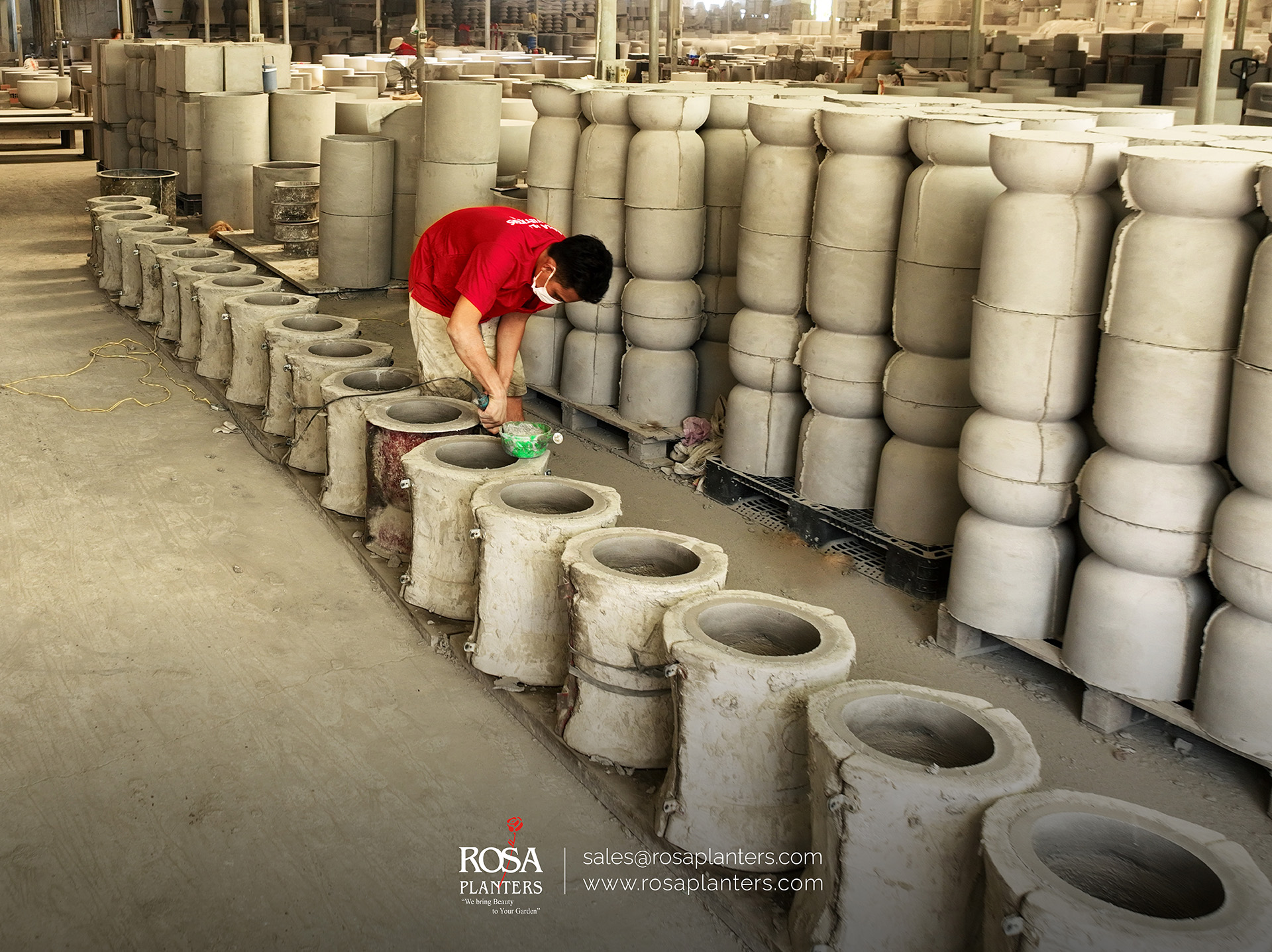
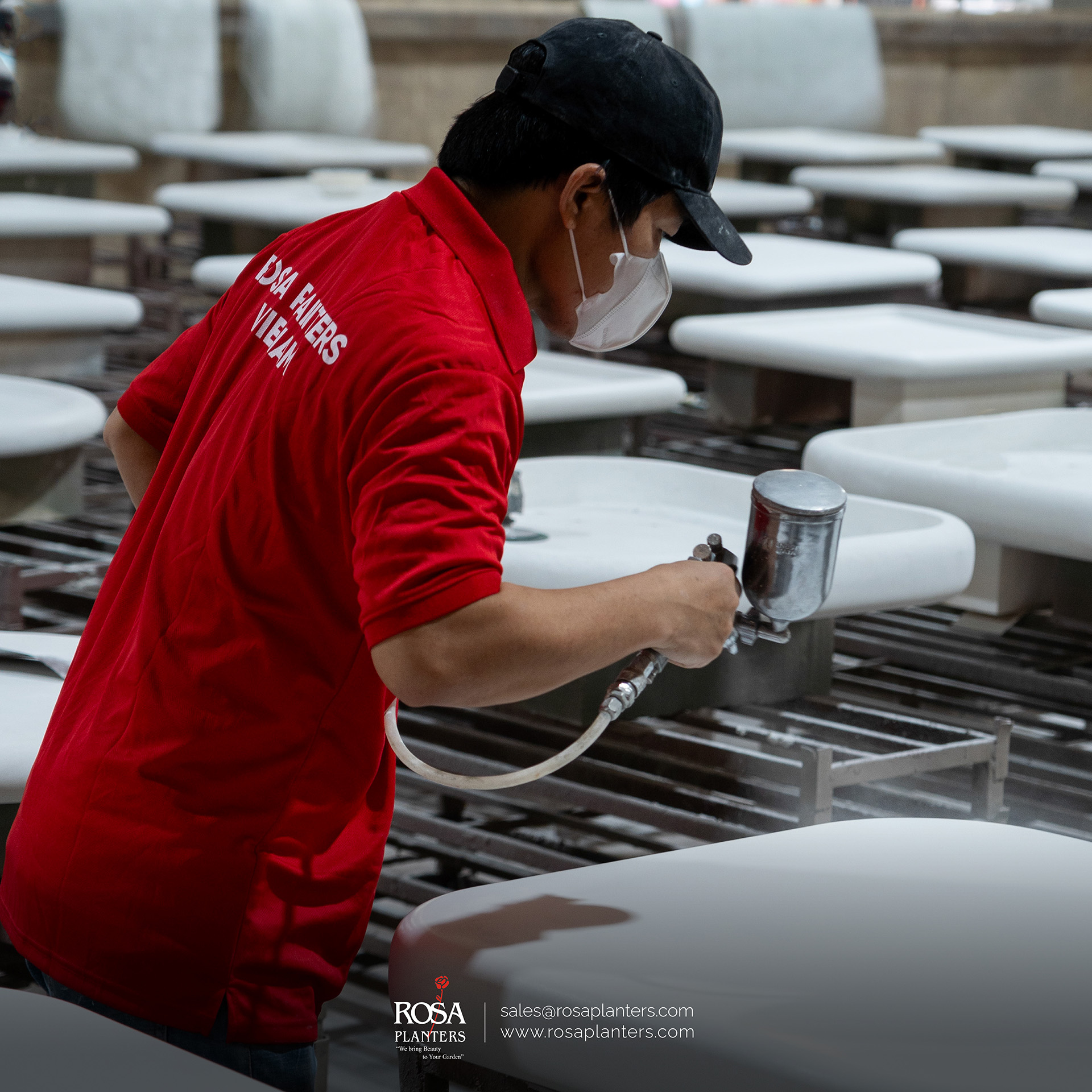
The production process determines the quality of every piece. First, the factory mixes cement, aggregates, fibers, pigments, and additives. Then it shapes the mixture into the final design.
Next, the factory cures and finishes each product for its intended environment. Some products also combine natural fibers with handmade techniques. Therefore, craftsmanship plays a real role in the final result.
Proper production, curing, and finishing matter most for outdoor products. For this reason, buyers should audit how each supplier produces and finishes its furniture.
Strength and Durability
Demand for outdoor-ready materials with an attractive appearance drives the popularity of fiber concrete. Wood, metal, plastic, and conventional concrete each have advantages and limitations. However, fiber concrete gives designers another option. It combines strength, texture, versatility, and contemporary aesthetics.
A Strong and Durable Material
Strength and durability are the biggest advantages of fiber concrete furniture. The fibers reinforce the cement-based material. As a result, manufacturers produce furniture that withstands regular use and keeps its structural integrity.
Durability matters most outdoors, because furniture faces many challenges:
• Sunlight
• Rain
• Humidity
• Temperature changes
• Dust and dirt
• Frequent use
Therefore, a properly manufactured and finished fiber concrete product suits gardens, patios, terraces, restaurants, hotels, and resorts.
Is Fiber Concrete Suitable for Outdoor Use?
Yes. Fiber concrete furniture works for both indoor and outdoor applications. However, the manufacturer must cure, finish, and maintain it properly for the intended environment.
For outdoor products, the surface needs treatment against moisture, staining, and environmental exposure. Some manufacturers recommend a protective sealer or a paraffin-based maintenance treatment. Customers should apply it periodically to preserve the surface. In every case, follow the manufacturer’s recommendations.
Ideal for Outdoor Furniture and Planters
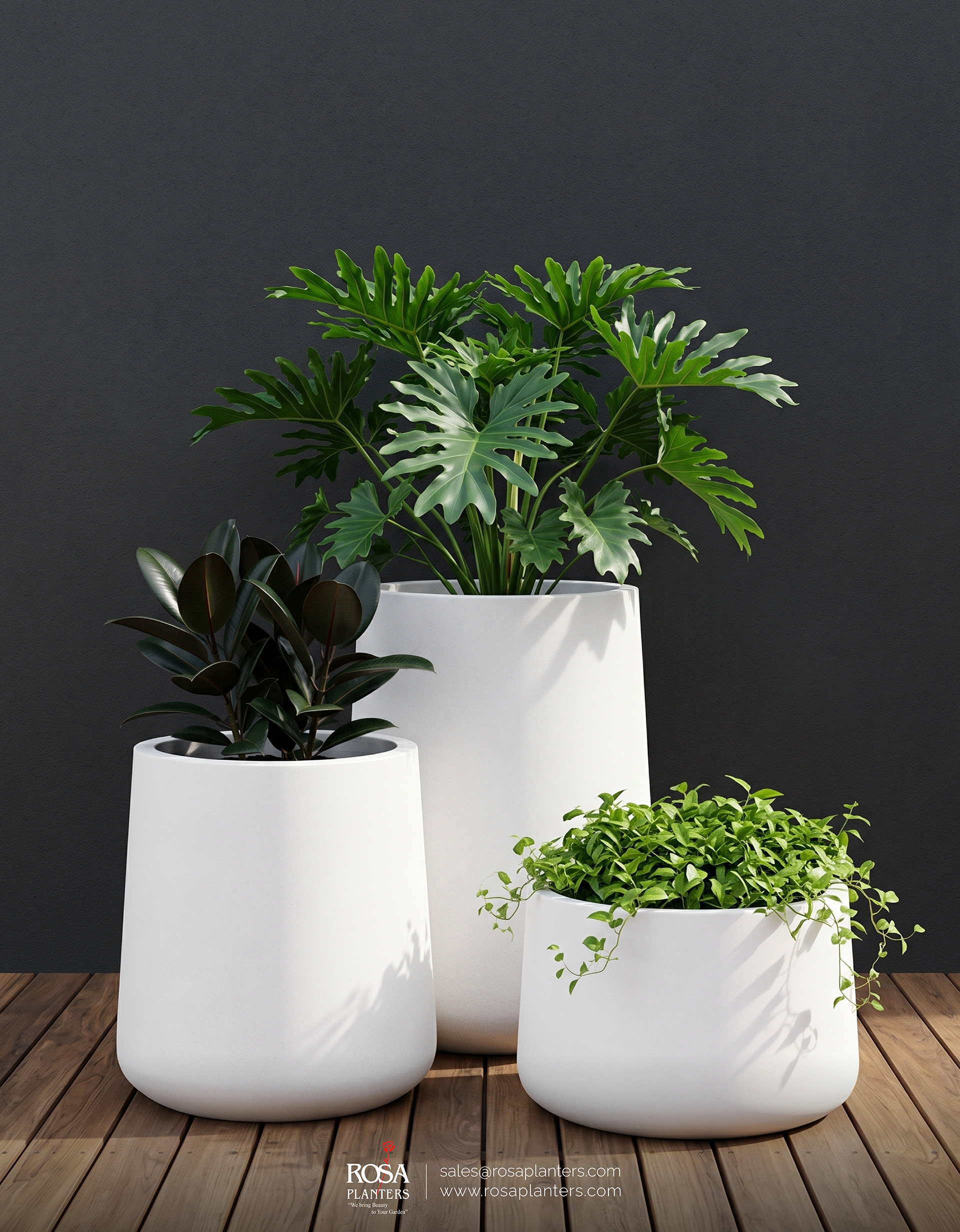
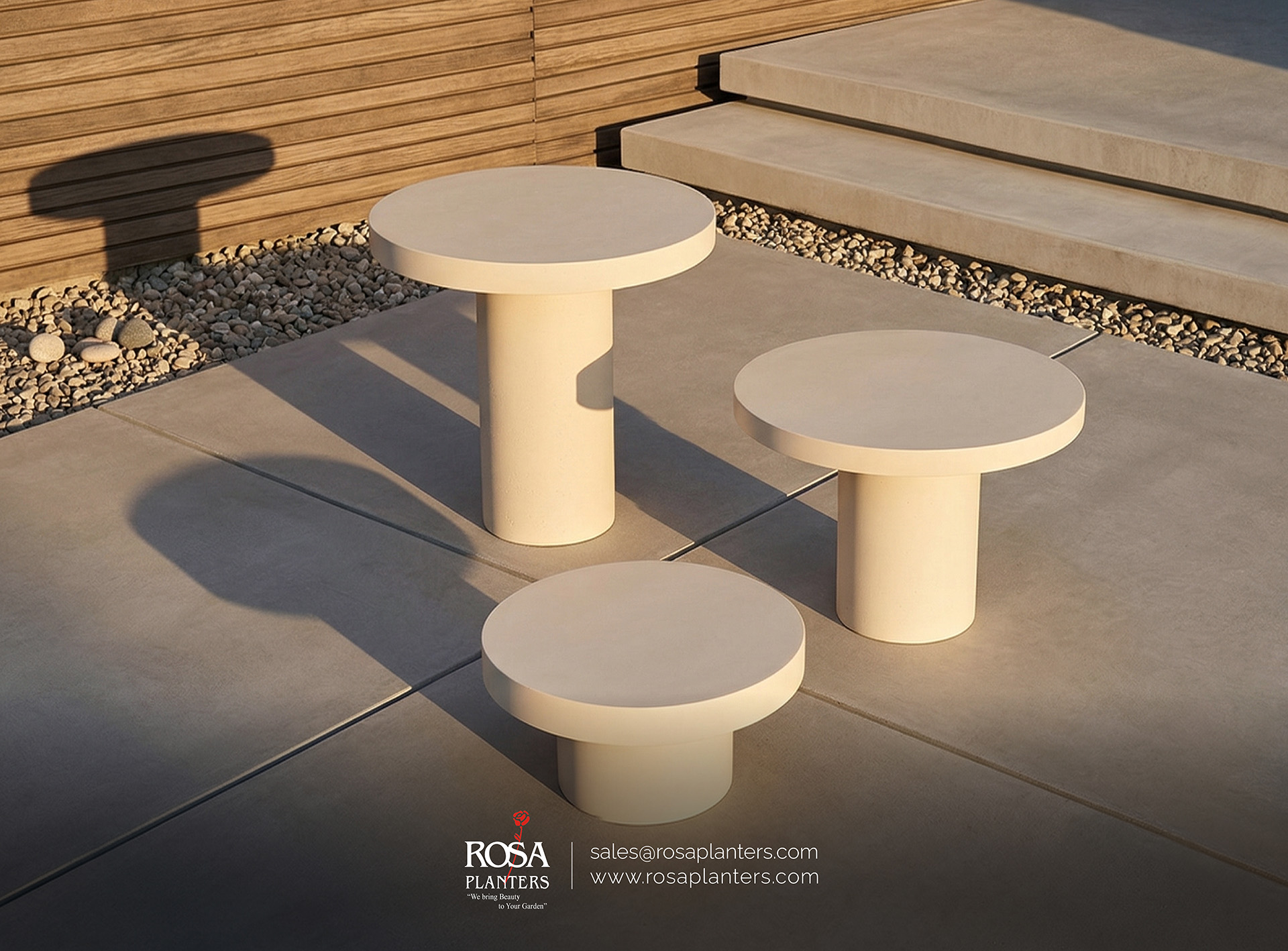
A fiber concrete outdoor table creates a strong visual centerpiece for a garden or patio. Fiber concrete benches and stools also complement modern landscape architecture. In addition, fiber concrete outdoor planters and fiber cement planters extend the same look to planting areas.
The material works especially well in these spaces:
• Outdoor dining areas
• Residential gardens
• Balconies and terraces
• Poolside spaces
• Hotel gardens
• Resort landscapes
• Restaurants and cafés
• Commercial outdoor spaces
Its natural stone-like appearance also blends easily with plants, wood, stone, and other landscaping materials.
Weight: Why Thinner Profiles Matter
Weight is a key factor for retailers and importers. Conventional concrete furniture is heavy. In contrast, fiber concrete allows thinner profiles, so pieces can be lighter and more refined. This is why lightweight fiber concrete planters attract growing interest in the trade.
Consequently, designers can create forms that conventional materials rarely achieve. A simple outdoor table or a sculptural garden bench becomes easier to design. However, the exact weight still depends on the design and thickness of each product. Therefore, always confirm product specifications with your supplier.
Many buyers also compare fiber concrete vs polystone before they place an order. A side-by-side review of weight, finishes, and handling helps you choose the right material for each project.
Finishes: A Modern and Natural Appearance
Appearance is one of the most attractive characteristics of fiber concrete furniture. The material offers a minimalist, architectural, and contemporary look. At the same time, it keeps the visual warmth of natural materials.
Manufacturers can create many variations:
• Colors
• Textures
• Surface finishes
• Shapes
• Thicknesses
• Decorative effects
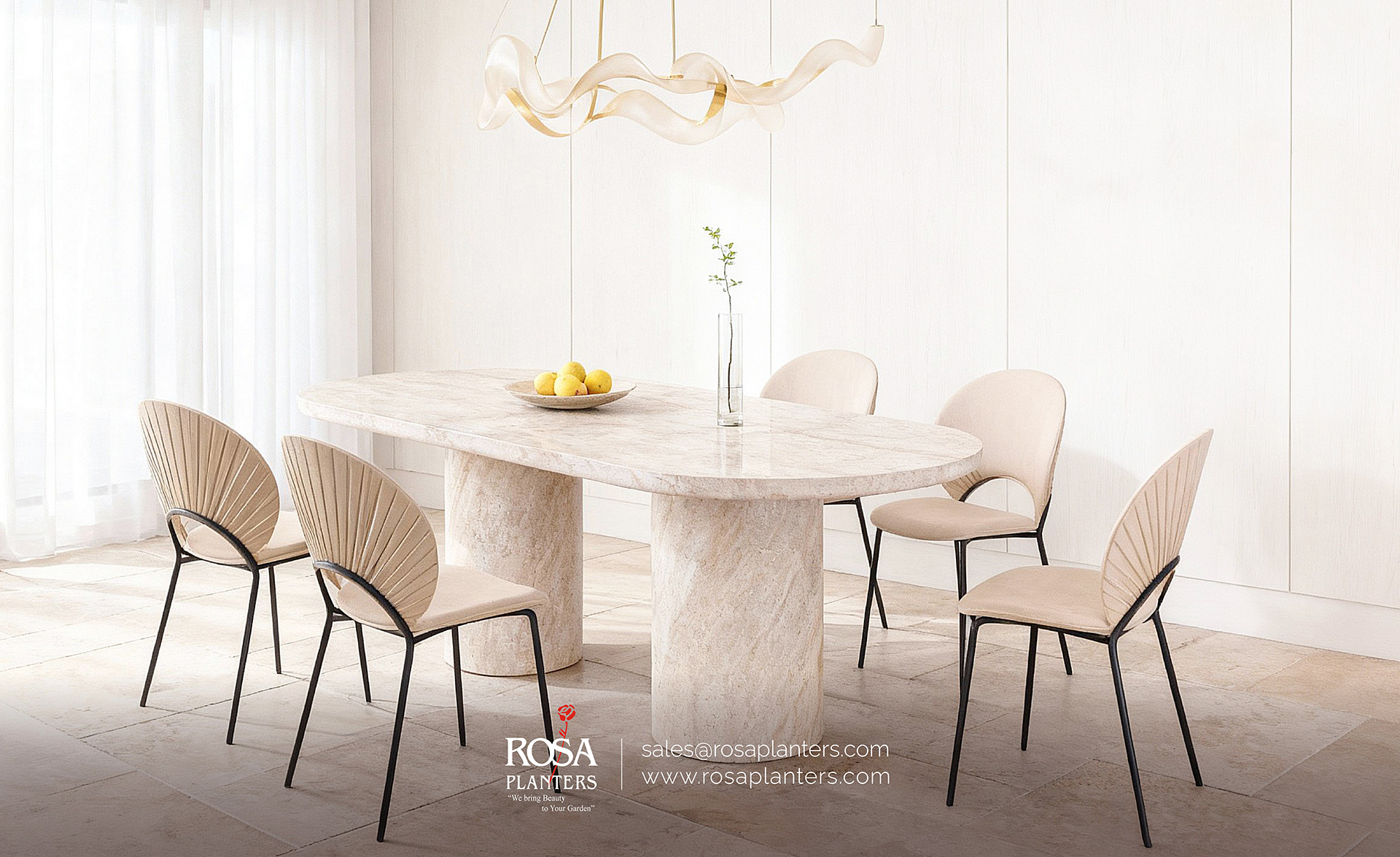
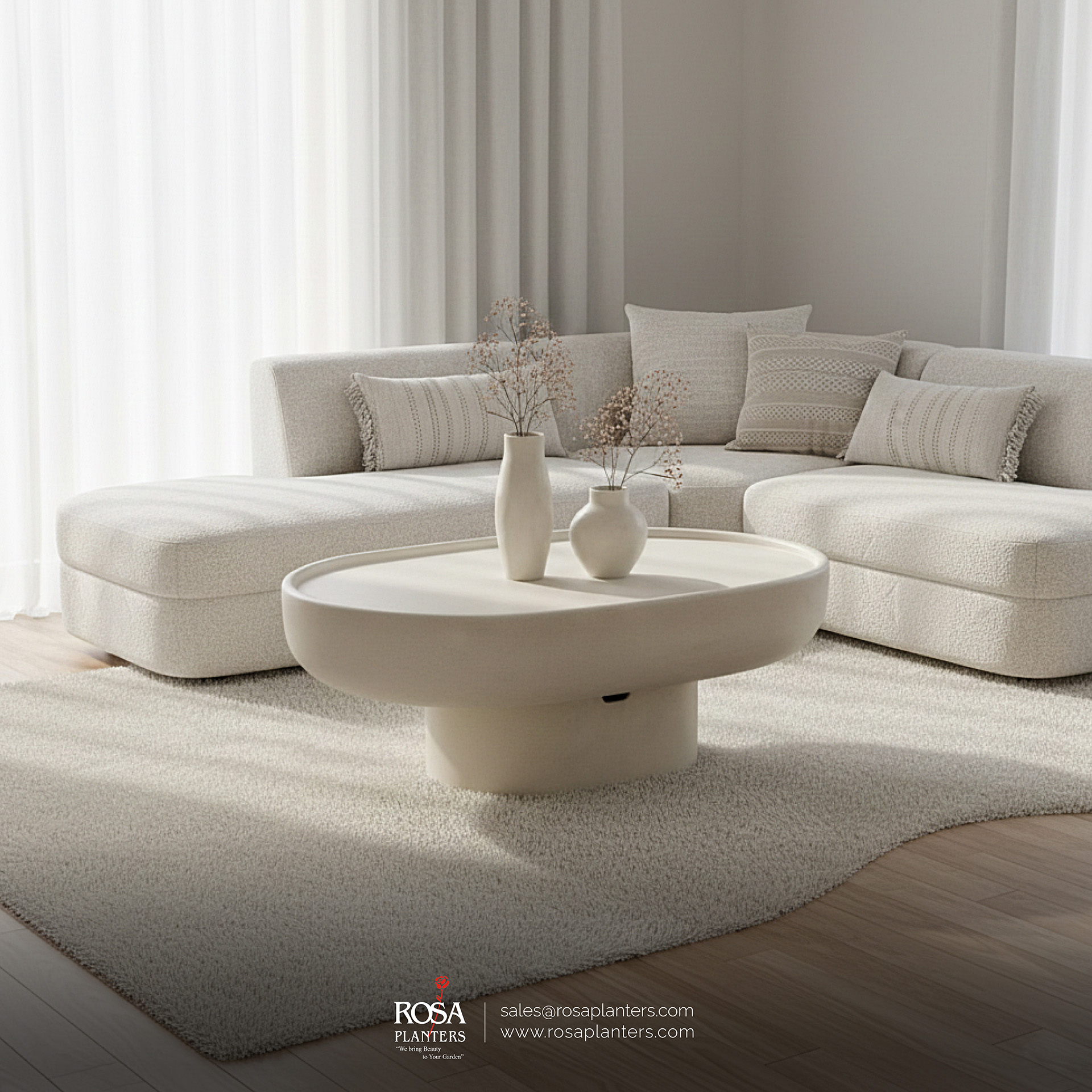
For example, a fiber concrete table can have a smooth surface with a subtle matte finish. Meanwhile, the base can include woven or fiber-inspired details. This makes fiber concrete suitable for modern minimalist interiors and natural outdoor landscapes.
Maintenance Guidelines for End Customers
Fiber concrete furniture is durable. However, proper maintenance extends its service life and preserves its appearance. Share these five steps with your customers.
1. Clean with fresh water: Use clean water and a soft cloth or sponge to remove dust and surface dirt.
2. Avoid harsh cleaning products: Strong chemicals or abrasive cleaners can damage the surface finish. Check the manufacturer’s instructions before using any cleaning product.
3. Protect the surface: A suitable protective treatment helps maintain water resistance. Depending on the product, manufacturers may recommend a sealer, wax, or paraffin-based maintenance product.
4. Remove spills promptly: Clean food, drinks, oils, and other substances quickly to minimize staining.
5. Allow proper drainage: Make sure water drains properly. It should not remain trapped on or around the product for long periods.
Shipping Considerations
Shipping starts with the product itself. Because fiber concrete supports thinner profiles, pieces can weigh less than conventional concrete furniture. Therefore, importers should compare product weight and packaging details across suppliers.
In addition, a well-cured and well-finished product holds up better in demanding environments. For this reason, ask suppliers about finishing and surface treatment before you confirm an order.
Wholesale Considerations
Fiber concrete serves many commercial buyers. It fits homes, hotels, resorts, restaurants, and other commercial spaces. Moreover, the wide range of shapes, colors, textures, and finishes helps retailers build distinctive collections. Suppliers of fiber concrete pots wholesale can therefore address both residential and hospitality projects.
Fiber Concrete and Sustainable Design
Modern furniture design focuses on materials that are durable, functional, and visually connected to nature. Fiber concrete fits this direction because it combines cement, fiber reinforcement, craftsmanship, and contemporary design. Some products also use natural fibers and handmade techniques.
In addition, a long service life is a sustainability advantage. Furniture that lasts longer needs replacement less often. However, fiber concrete is not automatically “100% eco-friendly.” Cement production has a significant environmental footprint. Therefore, responsible manufacturers consider the entire product lifecycle.
The Future of Fiber Concrete Furniture
Consumers increasingly want durable outdoor furniture, natural materials, contemporary design, and sustainable living. As a result, fiber concrete will likely remain an important material in furniture and landscape design. Its strength, design flexibility, tactile texture, and architectural appearance give designers a powerful tool. They can create furniture that feels permanent yet elegant.
Conclusion: Why Choose Fiber Concrete Furniture?
Fiber concrete furniture, also known as fiber cement furniture, is an attractive choice for modern indoor and outdoor spaces. Its main advantages include:
• Durable cement-based construction
• Fiber-reinforced performance
• Modern and natural appearance
• Wide range of shapes and finishes
• Suitability for outdoor environments
• Excellent design flexibility
• Potential to incorporate natural fibers
• Suitability for homes, hotels, resorts, restaurants, and commercial spaces
• Long-lasting performance when properly manufactured and maintained
For designers and project buyers, fiber concrete offers a balance of functionality, durability, craftsmanship, and contemporary aesthetics. Whether you source a fiber concrete table, a fiber cement bench, or custom cement-based furniture, this material opens exciting possibilities.
Ready to explore our range? Request Fiber Concrete Catalogue